



The best way to discover the world (and discover yourself)
In a world where everything seems to move fast, where we measure our days by how many things we do and our trips by how many places we visit, more and more people are discovering another way of exploring the world: slow travel.
Slow travel is not about seeing less, but about experiencing more. It is not about ticking destinations off a list or rushing from one monument to another to get the perfect photo. Traveling slowly means stopping, observing, connecting, and enjoying each place from within.
Because sometimes, the best memories are not the big plans, but those unexpected moments that happen when we leave space for the journey to simply unfold.
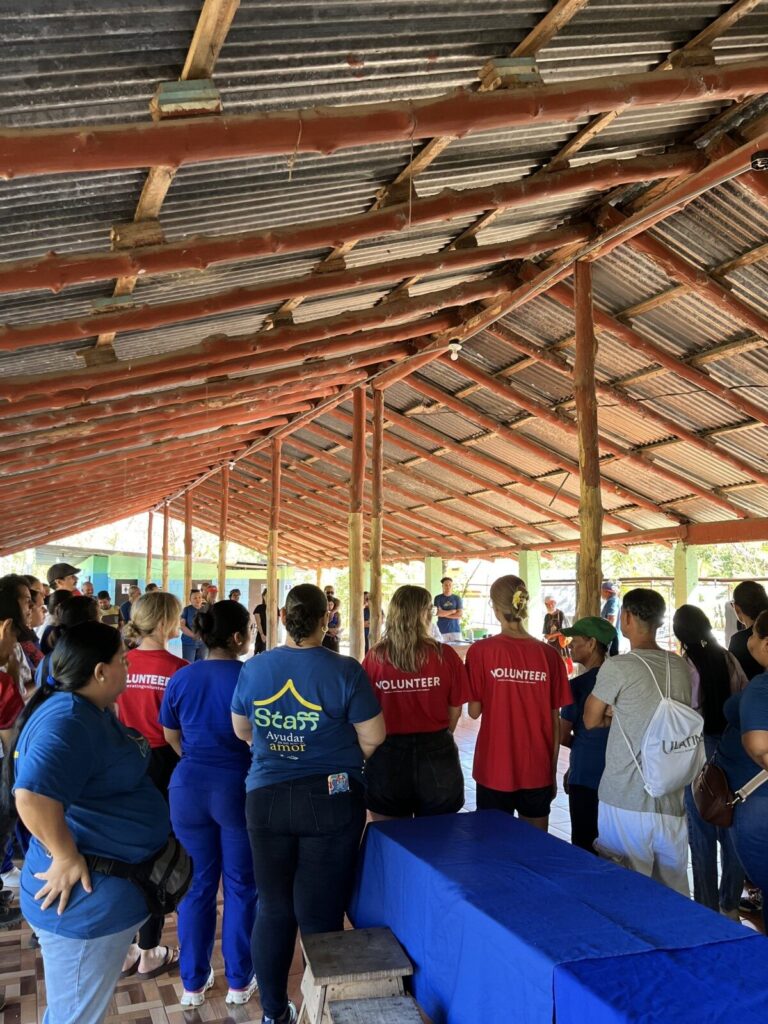
And living the volunteering experience has a lot to do with slow travel. You focus on one destination, integrate into a community, and become part of a culture and traditions that are completely new to you. You become part of many people’s daily lives, and vice versa.
What does slow travel really mean?
Slow travel is about changing the way we understand traveling.
It means staying longer in one place to truly get to know it. It means walking calmly through its streets, returning several times to the same café, learning a few words of the local language, or having conversations with the people who live there.
It means understanding that you do not need to visit five countries in two weeks to feel like you made the most of your trip.
In fact, many times, the slower you travel, the more intense everything becomes.
Because when you stop constantly looking at the clock or thinking about your next transport, you begin to notice details that would normally go unnoticed:
- the smell of street food at sunset,
- the music playing in a small local shop,
- the daily routines of the people,
- the landscapes slowly changing,
- or simply the feeling of becoming part of the place, even if only for a few days.
The problem with traveling too fast
For years, we were made to believe that “making the most of a trip” meant seeing everything.
Planning impossible routes, constantly catching flights, and returning home exhausted after trying to fit too many plans into too little time.
But the reality is that fast travel often disconnects us from the journey itself.
We spend more time thinking about the next destination than enjoying the present moment. We move around so much that we barely have time to process what we are experiencing.
And although it may sometimes seem exciting, that pace eventually turns travel into a race.
That is why more and more travelers are looking for different kinds of experiences:
- less stress,
- fewer rushes,
- less pressure,
- and more genuine connection with the destination.
Slow travel is also a more conscious way of traveling
When you stay longer in one place, many things begin to change.
Not only do you reduce constant transportation, but you also start consuming in a more local and responsible way:
- eating at small restaurants,
- shopping at local markets,
- supporting family businesses,
- using local transportation,
- and creating a more positive impact on the community.
In addition, the journey becomes much more human.
You are no longer just a tourist passing through. You begin to better understand the culture, customs, and way of life of the place you are visiting.
And that completely transforms the experience.
The magic of not having a completely fixed itinerary
One of the best things about slow travel is leaving room for improvisation.
Not having every minute planned allows unexpected opportunities to appear:
- discovering hidden beaches,
- meeting other travelers,
- finding an incredible local restaurant,
- changing your plans because someone recommends a place,
- or simply deciding to stay one more day because you feel good there.
Many times, the most special moments of a trip are precisely the ones that were never planned.
Slow travel and international volunteering
International volunteering has a lot to do with this philosophy of traveling.
Because it is not only about visiting a destination, but about experiencing it from within.
When you participate in a volunteer project:
- you live alongside local people,
- you discover the country’s customs in a much more authentic way,
- you step away from tourist routes,
- and you learn to adapt to a completely different environment.
It is a much deeper and more transformative way of traveling.
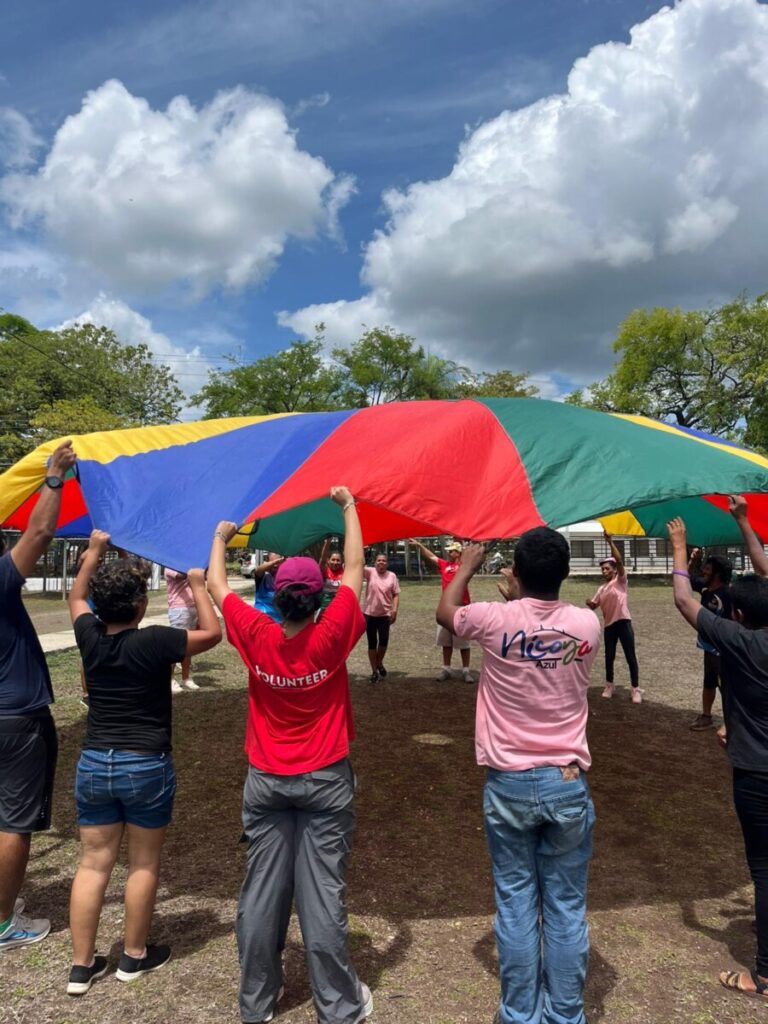
In addition, by staying several weeks in the same place, you have time to create real connections, better understand the community, and experience things that would hardly happen during a fast trip.
That is why many people feel that, after a volunteering experience, they never travel the same way again.
Learning to enjoy without rushing
Slow travel also teaches something important: you do not need to constantly do things to feel like the day was worthwhile.
Sometimes it is enough to:
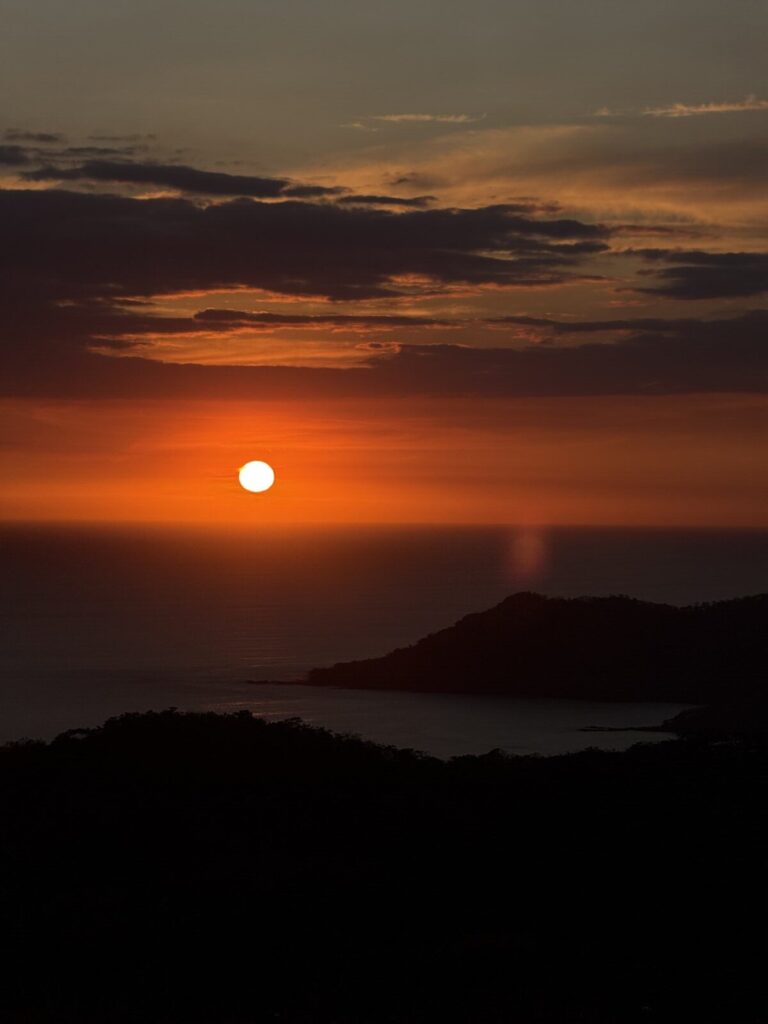
- watch a sunset,
- sit by the sea,
- get lost walking through a city,
- share a conversation,
- or simply observe how everyday life unfolds in another part of the world.
And although it may seem simple, those are precisely the moments that usually stay forever in our memory.
The true luxury of traveling
Nowadays, the true luxury is not having the most complete itinerary or visiting more countries than anyone else.
The true luxury is having time.
Time to observe.
Time to connect.
Time to truly experience the destination.
Because slow travel does not mean wasting time.
It means giving value to every moment.
It is not about seeing more, but about feeling more
Perhaps that is the best definition of slow travel.
You do not need to travel across half the world in a few weeks for a trip to change you.
Sometimes, a single place experienced calmly can teach you far more than ten destinations seen in a rush.
Because in the end, the most important journeys are not the ones that generate the most photos, but the ones that leave the deepest emotions.
And many times, for that to happen, only one thing is needed: slow down and let the journey happen.