



There are words that, when truly experienced, take on a much deeper meaning than what appears in any dictionary.
Resilience is one of them.
In the context of the international volunteer experience, resilience is not a theoretical concept. It is a reality that can be felt in every school, in every community center, in every health or local development project. It is a silent strength that is born in contexts very different from our own and that, many times, ends up transforming us even more than the communities themselves.
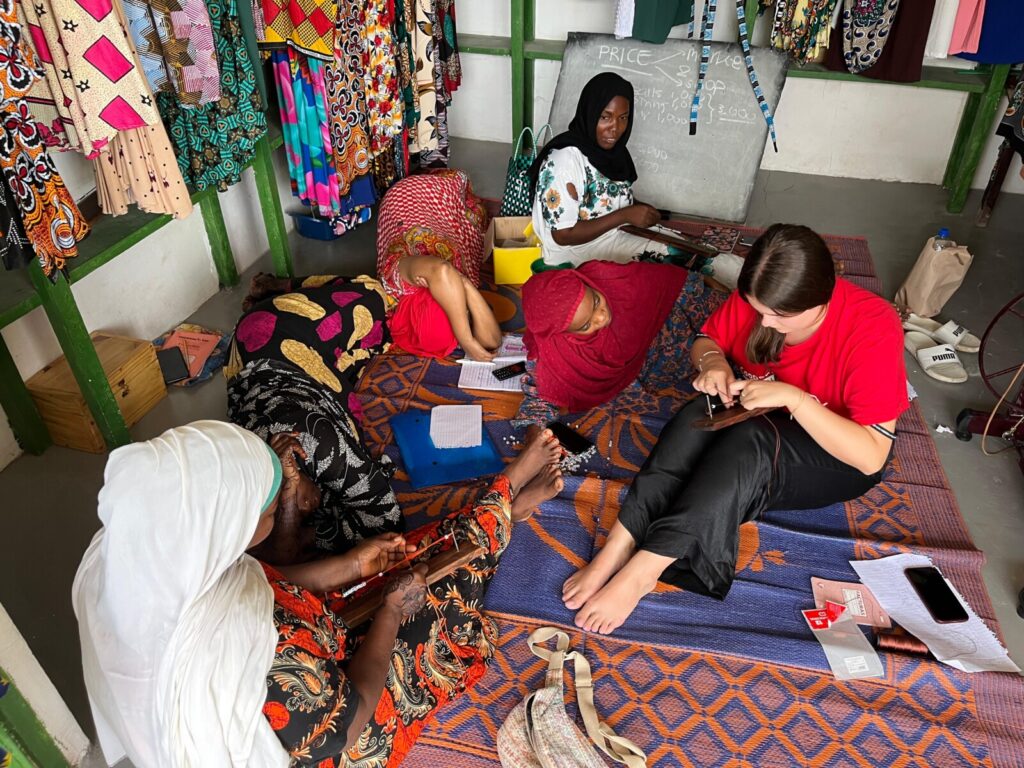
When a person decides to live a volunteer experience, they usually do so with the intention of helping, contributing, and adding value.
But what they discover upon arrival is that they are also going to learn. And a lot. Because in environments where resources are limited, where challenges are part of daily life and where opportunities are not always equal, resilience is not optional: it is a way of life, and sometimes the only option.
In many of the destinations where we work at Cooperating Volunteers, communities face structural challenges: limited access to basic services, infrastructures in need of improvement, economic difficulties, or educational barriers. However, what has the greatest impact is not the lack, but the attitude. The ability to keep moving forward, to organize collectively, to care for one another, and to find reasons to keep fighting even in the midst of adversity.
The resilience that is born in these contexts is not individualistic. It is communal. It is built through networks, through cooperation, through mutual support. It can be seen in the mothers who promote projects to improve their children’s education. In the young people who participate in training programs to create new opportunities. In the local leaders who, with limited resources, manage initiatives that benefit the entire community.
For those who arrive from places with many more resources, this encounter represents a shift in perspective. Accustomed to measuring well-being through material parameters, we often discover that emotional strength, creativity in the face of scarcity, and a strong sense of community are equally essential pillars.
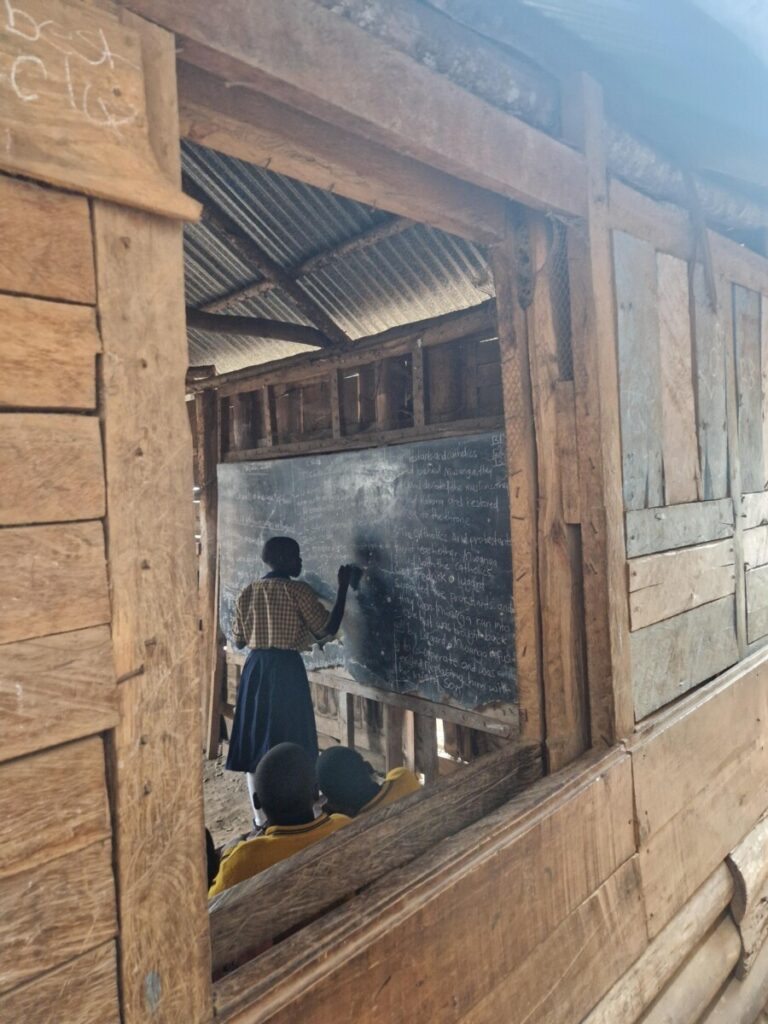
Resilience is also activated within the participant. Adapting to a different culture, to other rhythms, to new forms of communication and organization requires openness and flexibility. Not everything is immediate. Not everything works as it does at home. And that is where the real learning begins.
We learn to put things into perspective.
To listen more and judge less.
To understand that helping does not mean imposing, but accompanying.
To recognize that sustainable impact is not built through urgency, but through respect and collaboration.
In this exchange, resilience becomes a bridge. On one side, that of the communities who have spent years developing strategies to move forward in complex contexts. On the other, that of the participant who grows by facing the unknown and questioning their own certainties and beliefs.
Moreover, living this experience allows us to rethink our priorities when we return home. Many people who have participated in some of our international volunteer projects agree on one thing: they change the way they value time, relationships, and resources. The resilience you observed and shared does not remain at the destination; it travels back home with you.
In an increasingly interconnected but also more unequal world, understanding resilience from different realities helps us broaden our perspective. It reminds us that community development is not only a matter of infrastructure or funding, but also of attitude, cohesion, and the ability to adapt.
The resilience that is born in different contexts does not idealize hardship or romanticize challenges. It acknowledges real problems, but also highlights the human capacity to reinvent itself, to cooperate, and to build a future even when circumstances are not favorable.
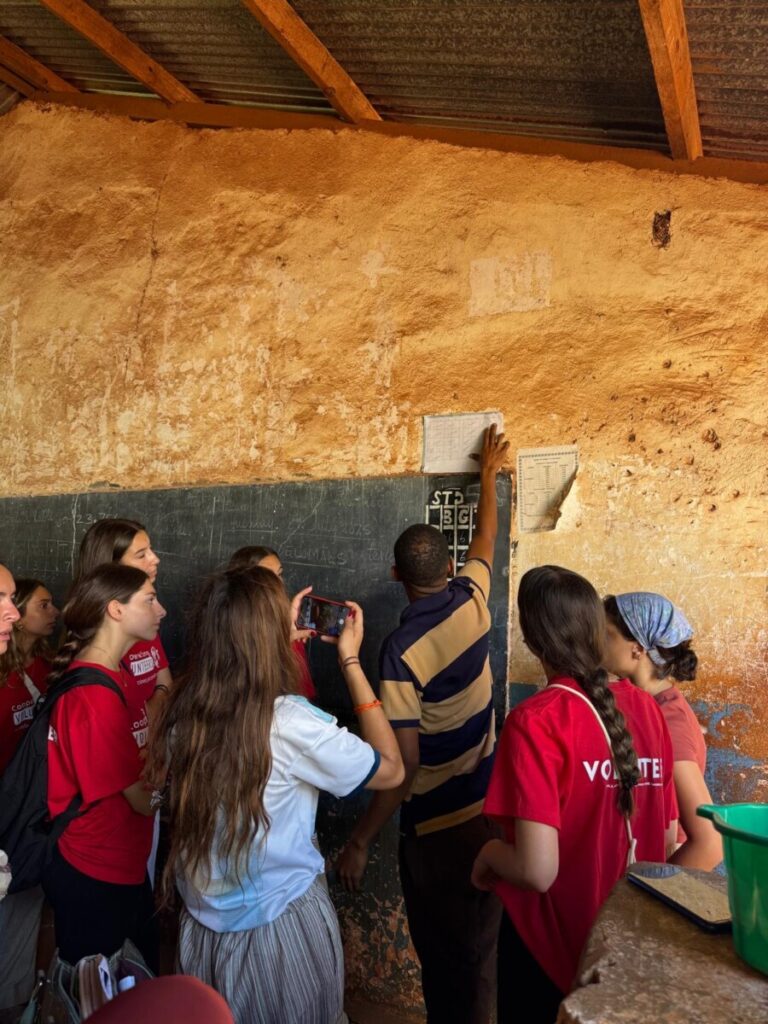
And perhaps that is one of the greatest lessons of volunteering: understanding that strength is not always visible in great achievements, but in daily consistency, in small steps forward, in the collective determination not to give up.
Because in the end, beyond the projects and specific tasks, what truly transforms is that human exchange. That silent lesson that teaches us that resilience is not only about enduring, but about growing despite everything.