



For many of us, safety when traveling is an important point to consider, and for Cooperating Volunteers it is a priority.
Many families who decide to send their children with us, as is normal, seek the peace of mind of knowing that they are traveling to places where they will feel safe and protected.
That is why it is important to inform ourselves and understand that there are some myths and realities.
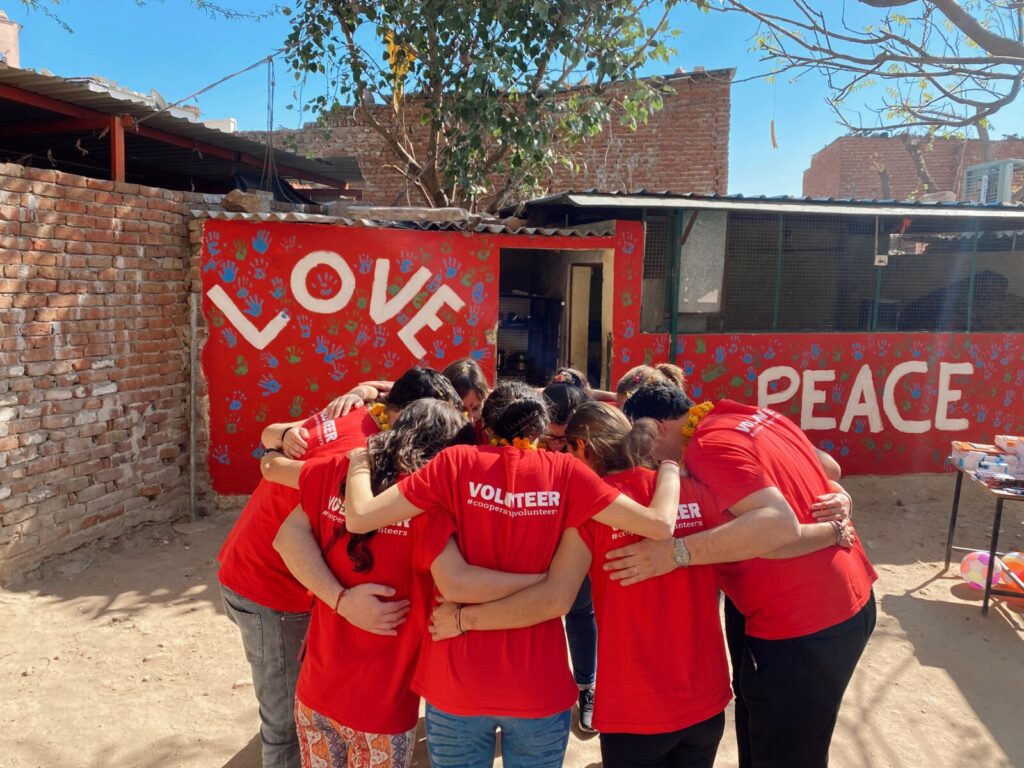
When someone decides to embark on an international volunteering experience, one of the first questions that arises—whether from the person traveling or from their family—is always the same: “Is it a safe destination?”
At Cooperating Volunteers, we believe that talking about safety with transparency is essential, because it allows people to make informed decisions and enjoy the experience with peace of mind. That is why today we debunk myths, clarify realities, and explain how we manage safety in every destination where we are present.
Myth 1: “Volunteering countries are dangerous by definition”
Reality: The perception of insecurity is often more influenced by news and stereotypes than by real on-the-ground experience.
Many of the destinations where we cooperate, such as Kenya, Tanzania, Sri Lanka, Nepal, Ghana, or Costa Rica, receive millions of tourists every year. The areas where the projects take place are selected precisely because they are safe, stable, and home to communities open to welcoming participants.
We work only with local coordinators who live there, know the area, and continuously monitor the environment.
They are the first to inform us if there is any change or recommendation that we need to pass on. This is why our trust in the local team is absolute.
Myth 2: “Traveling alone to an unknown country is risky”
Reality: You rarely travel truly alone.
Before departure, you receive a detailed guide, personal support, and a WhatsApp group where you meet other participants traveling on similar dates. In addition, upon arrival, a member of the local team is always waiting at the airport.
Once in the destination, you stay in shared houses, residences, or carefully selected host families, creating a safe, accompanied, and supervised environment.
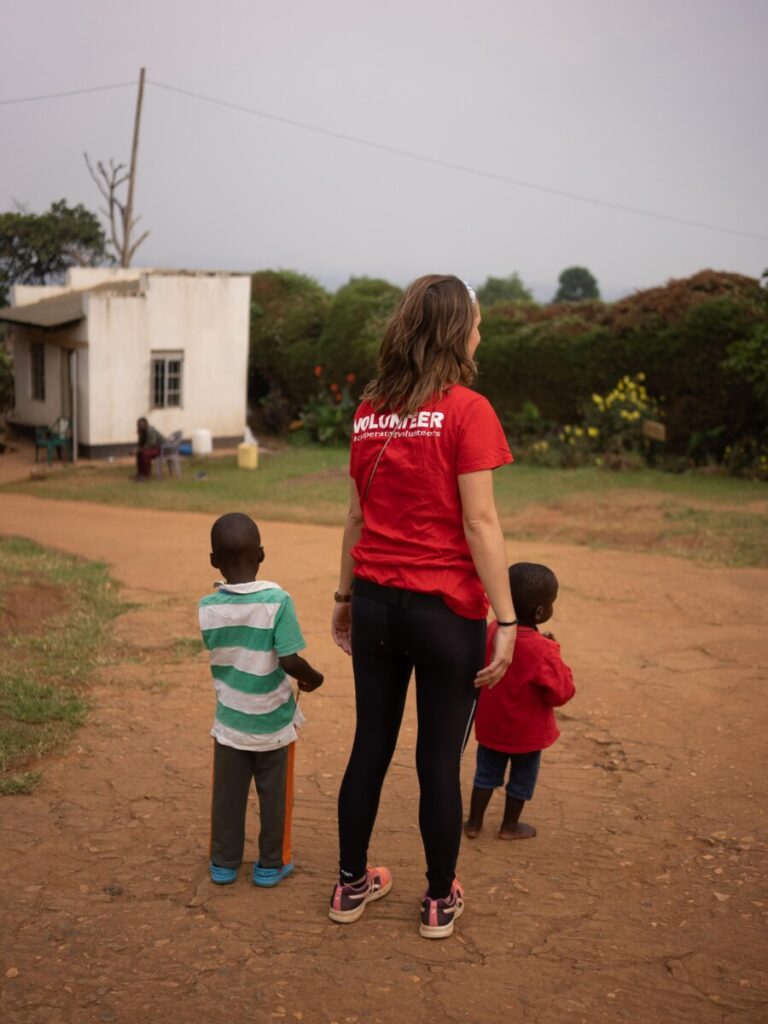
Myth 3: “Infrastructure and healthcare services are poor”
Reality: Although infrastructure varies between countries, the projects are located in areas with access to hospitals, clinics, and pharmacies.
Before traveling, we send information about recommended vaccines and medical insurance. All participants have full travel insurance, which covers any eventuality and guarantees quality care.
Likewise, the local coordinators know exactly which center to go to if needed. And fortunately, it does not happen often.
Myth 4: “I won’t know how to act in an unexpected situation”
Reality: No one travels without information or without a plan.
At Cooperating Volunteers we provide a safety manual, briefing sessions, and practical recommendations that help you handle any unforeseen situation calmly.
These include mobility guidelines (which areas to avoid, how to use safe transport) and cultural tips that prevent misunderstandings and uncomfortable situations.
So… what is the reality of safety in volunteering?
1. Safety is a priority, not a detail
Every destination goes through a continuous validation process. If it is not safe, we simply do not send volunteers.
2. Support is continuous
Coordinating, supervising, and being available 24/7 is an essential part of our work. Nothing is left to chance.
3. Personal responsibility matters
Most safety recommendations are the same ones you would follow when traveling in Europe: keeping documents in a safe place, not walking alone at night, using authorized transport…
Common sense remains your best ally. And that is why it is also important to do our part to ensure everything goes smoothly.
4. Local communities take care of us
In many destinations, participants are welcomed as part of the family. The community understands and values the impact of the projects, creating a supportive environment where many participants feel even more accompanied than on a traditional tourist trip.
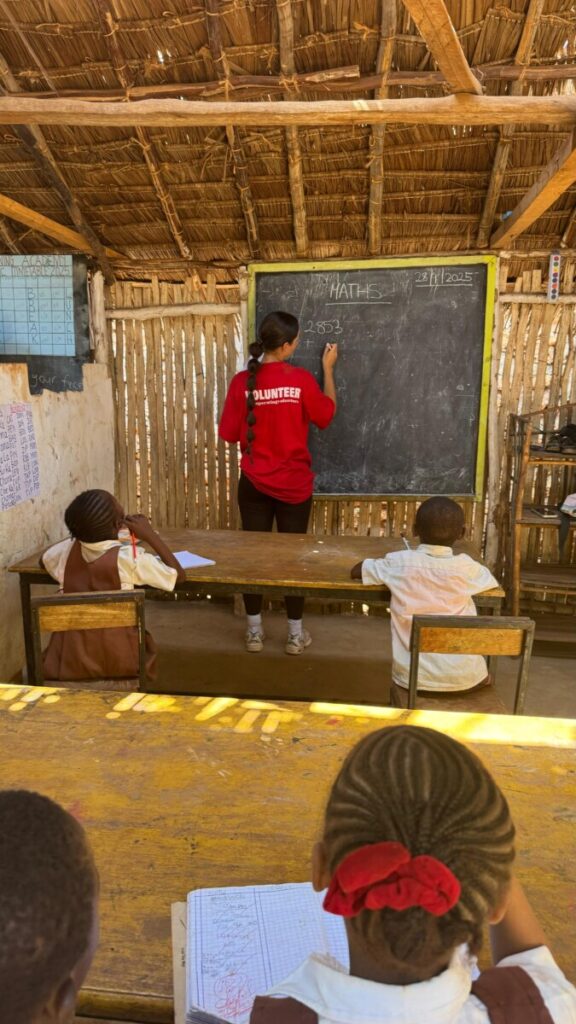
What do our participants say?
Most agree that, after a few days in the destination, they realize that their initial perception of insecurity was just that: a perception.
Many share that they have felt safer than expected, that they were able to move around freely, and that the presence of the local team was key to experiencing the journey with confidence.
Conclusion: traveling informed is traveling safely
Safety is not an empty promise, but a responsibility that we take on with professionalism and transparency.
The destinations where we volunteer are not dangerous places, but living, diverse communities full of learning.
And when you travel with the right preparation, proper support, and an open mind, volunteering becomes an enriching—and safe—experience.