



BREAKING STEREOTYPES THROUGH THE EXPERIENCE OF INTERNATIONAL VOLUNTEERING
When we think about South America, we often do so through preconceived images. Endless jungles, widespread poverty, insecurity, or homogeneous cultures. These ideas, repeated over the years, have built an incomplete —and in many cases inaccurate— view of a region that is as diverse as it is fascinating.
For those who decide to live an international volunteering experience, breaking down these myths is not only inevitable, but also transformative. Because the reality discovered on the ground is full of nuances, contrasts, and lessons that hardly fit into a stereotype.
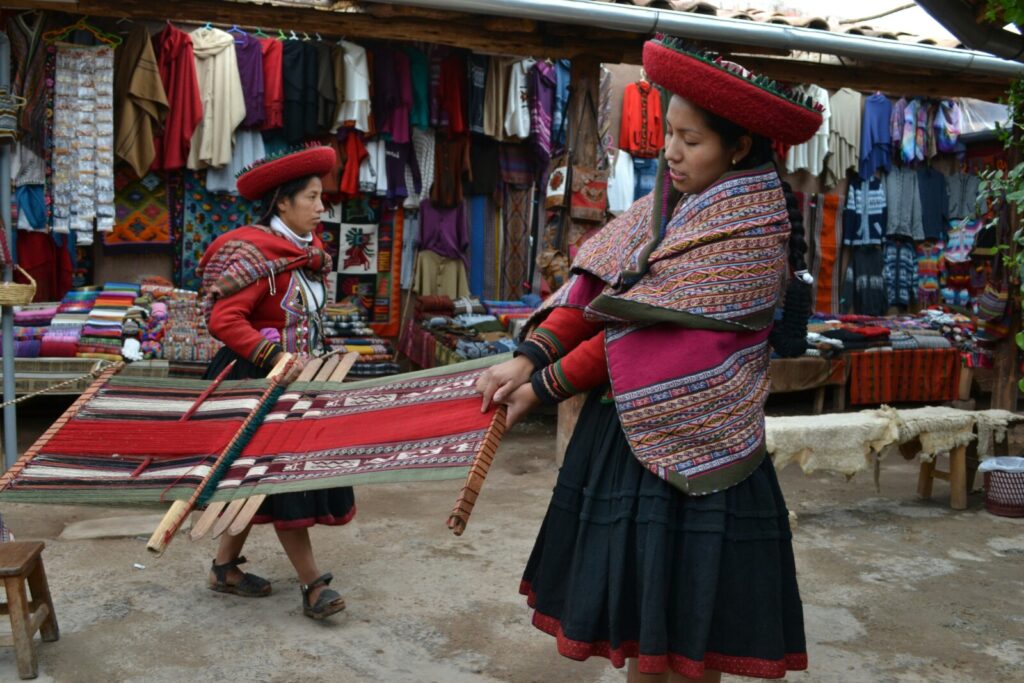
MYTH 1: “SOUTH AMERICA IS ALL THE SAME”
One of the most common mistakes is to think of South America as a uniform block. Nothing could be further from the truth.
Each country has its own cultural identity, history, accents, gastronomy, and ways of life. Even within the same country, differences between regions can be enormous. Life in a big city is not the same as in a rural community, nor is the reality of a coastal area the same as that of an Andean region.
During a volunteering experience, this diversity becomes evident from the very first moment. Adapting to it is part of the process, and understanding it allows for a deeper connection with local communities.
MYTH 2: “IT’S ALL POVERTY”
While significant economic inequalities exist in many South American countries, reducing the entire region to poverty is an oversimplification of a complex reality.
Volunteering allows you to see both the challenges and the strengths of communities up close. You encounter contexts where resources may be limited, but where values such as solidarity, resilience, and a strong sense of community are abundant.
In addition, you also discover modern cities, developed infrastructures, and innovative projects that are often not part of the most widespread narrative.
MYTH 3: “IT’S DANGEROUS EVERYWHERE”
Safety is a common concern before traveling, but generalizing the idea that all of South America is dangerous is not realistic.
As in any part of the world, there are safer areas than others, and it is important to stay informed and act with common sense. However, many people who take part in volunteering programs discover calm, welcoming environments and communities where they feel protected.
In fact, one of the most frequent surprises is the hospitality of local people, who often actively make an effort to ensure that visitors feel welcome.
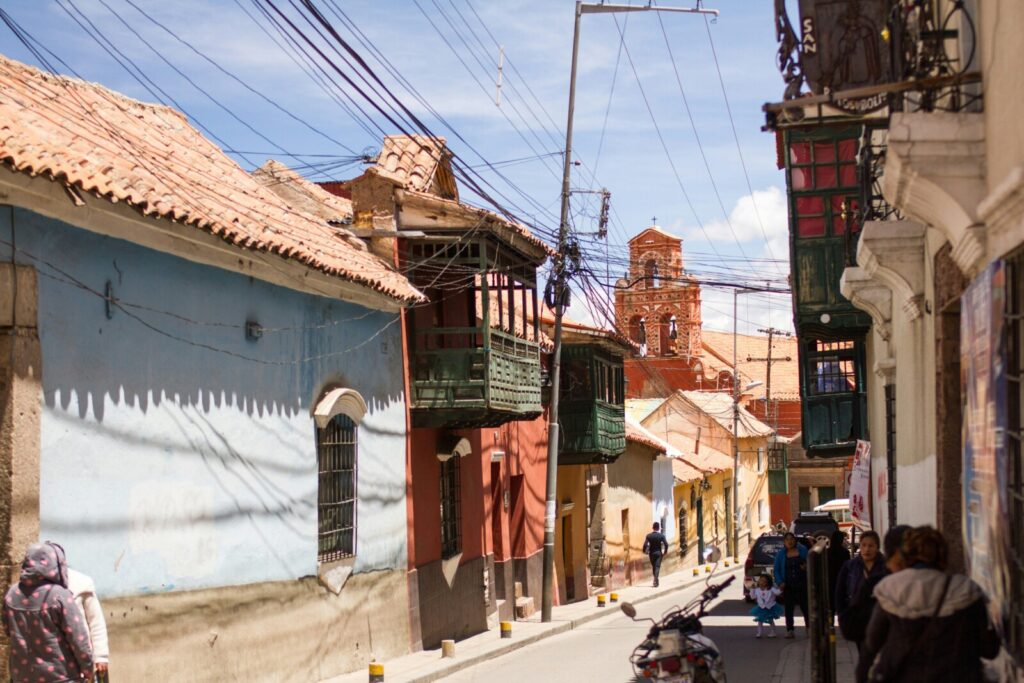
MYTH 4: “LOCAL PEOPLE NEED TO BE ‘SAVED’”
This is one of the most important myths to break.
Volunteering is not about “saving” anyone, but about collaborating, learning, and supporting projects that already exist and are led by the communities themselves. Thinking otherwise is not only incorrect, but can also create an unequal and disrespectful relationship.
Experience shows that learning goes both ways. Those who travel contribute their time and energy, but also receive knowledge, perspectives, and values that transform the way they see the world.
MYTH 5: “THERE IS NO ORGANIZATION OR STRUCTURE”
South America is sometimes associated with improvisation or a lack of organization. However, in many volunteering projects there is a clear structure, with defined objectives and committed local teams.
That said, the way of working may be different from what we are used to. Rhythms, priorities, and time management can vary, and learning to adapt to this is part of the personal growth that the experience involves.
MYTH 6: “VOLUNTEERING IS JUST TRAVELING”
Travel is part of the experience, but volunteering goes far beyond that.
It involves commitment, responsibility, and real involvement in the day-to-day life of the project. It also means stepping out of your comfort zone, facing new realities, and rethinking many preconceived ideas.
South America, with its cultural and social diversity, is an ideal setting to experience this process in an intense and enriching way.
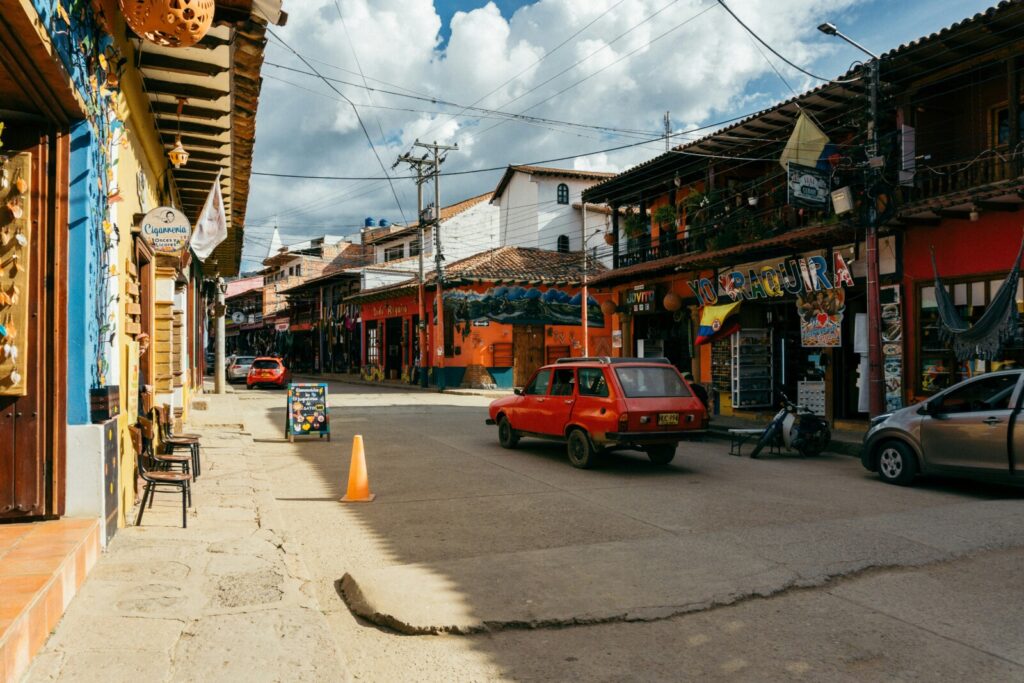
AN EXPERIENCE THAT CHANGES YOUR PERSPECTIVE
Breaking myths about South America does not happen by reading, but by living it. It is through direct contact with people, in everyday conversations, in small daily gestures, where a more real and complete understanding is built.
International volunteering makes this possible: moving from ideas to experience, from stereotypes to understanding.
And that is where the real change happens.
Because in the end, it’s not only the way we see South America that changes.
It’s the way we understand the world.