



Before, during and after a volunteering experience
Taking the step toward an international volunteering experience is one of the most transformative decisions a person can make. But it is also one of the ones that awakens the most emotions. Excitement, enthusiasm, curiosity… and, of course, fear.
Fear is part of the process. It is not a sign of weakness or insecurity; on the contrary, it is a natural response to the unknown. At Cooperating Volunteers we see it in almost everyone who decides to live this experience: fear appears before departure, transforms during the experience and, many times, takes on new forms once back home.
The key is not to eliminate it, but to learn how to manage it.

Before the trip: fear of the unknown
Before starting a volunteering experience, fear is usually closely linked to anticipation. Our mind begins to imagine scenarios, to formulate questions and to fill the silences with doubts:
- What if I don’t adapt?
- What if I’m not capable?
- What if I feel lonely?
- What if the country isn’t safe?
- What if I miss my life at home too much?
This initial fear is often fueled by a lack of information and by the prejudices that, without realizing it, we carry with us. Many times, we do not fear the experience itself, but the image we have built of it.
That is why one of the first steps to managing it is to get informed. Learning about the destination, the culture, the project and the support you will have throughout the entire process helps you keep your feet on the ground and transform fear into respect and preparation.
It is also important to talk about it. Sharing your fears with people who have lived the experience, with the Cooperating Volunteers team or with your close circle helps to normalize them. Discovering that you are not alone in what you feel brings more relief than you might imagine.
Accepting that fear is there, without trying to hide it, is the first act of courage.
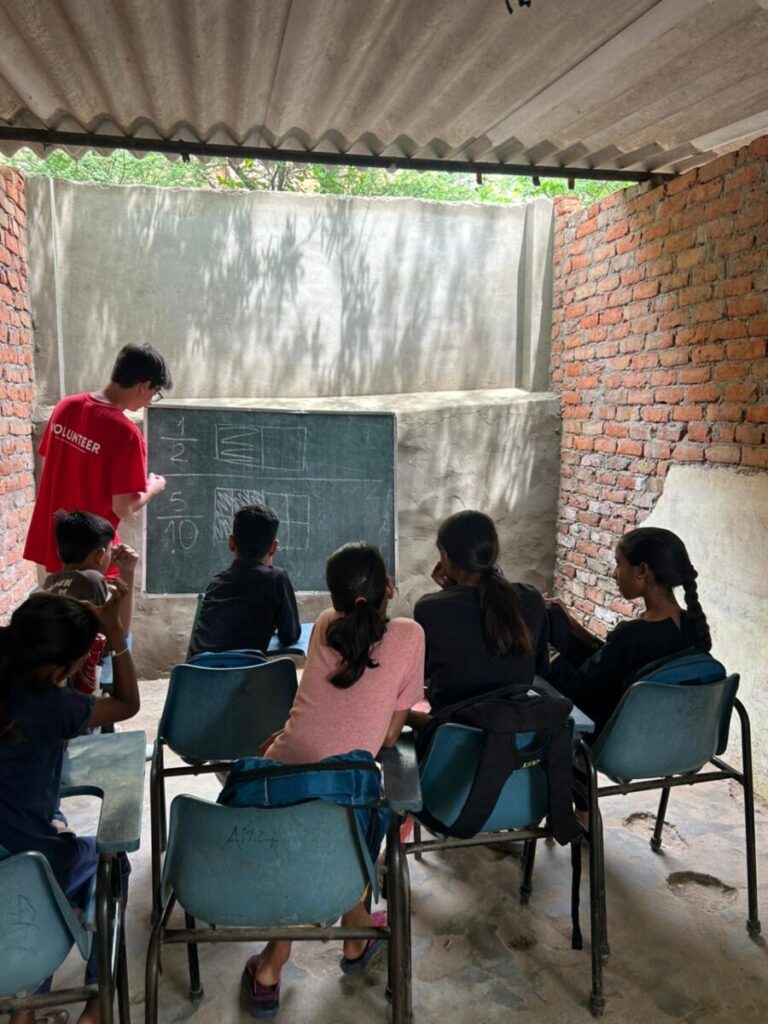
During the experience: fear of change and stepping out of the comfort zone
Once at the destination, fear does not disappear overnight. It simply changes shape.
During the first few days, it is common to feel fear about not understanding the language, not knowing how to act, making cultural mistakes or not being up to the project. A sense of vulnerability appears: you are far from home, from your routines and from everything that feels familiar.
This is where fear serves an important purpose: it keeps you alert, invites you to observe, to listen and to learn.
Managing it during the experience involves:
- Giving yourself time: adaptation is not immediate. Everyone has their own pace.
- Not demanding perfection from yourself: making mistakes is part of learning.
- Leaning on the local team and other volunteers: sharing how you feel strengthens bonds.
- Accepting culture shock as part of the process rather than an obstacle.
As the days go by, something changes. Fear begins to coexist with confidence. You find yourself resolving situations that once seemed impossible, communicating without words, feeling part of the community.
And then you realize something very powerful: you are more capable than you thought.
Fear as a driver of growth
During the volunteering experience, fear stops being an enemy and becomes a driving force. Each time you move through it, you gain confidence. Every small challenge overcome strengthens your self-esteem and broadens your view of the world.
You learn that you don’t need to have everything under control to move forward. That feeling fear does not prevent you from continuing, but rather reminds you that you are growing.
Many volunteers agree that the most uncomfortable moments (those in which fear was most present) are the ones that have marked them the most. Because it is precisely there, outside the comfort zone, that true transformation happens.
After the experience: fear of returning
When the experience comes to an end, a fear appears that is talked about less: the fear of returning.
Going back home means saying goodbye to people, to new routines, to a version of yourself that has changed. Different questions arise:
- How do I fit back into my old life?
- What if no one understands what I’ve lived?
- What if I miss everything I’m leaving behind?
This fear is closely linked to attachment and nostalgia, and it is completely normal. You have lived something intense and meaningful, and your way of seeing the world is no longer the same.
Managing it means integrating the experience into your everyday life: sharing what you lived, reflecting on what you learned and allowing that experience to influence your future decisions. It is not about going back to who you were, but about moving forward with everything you now are.
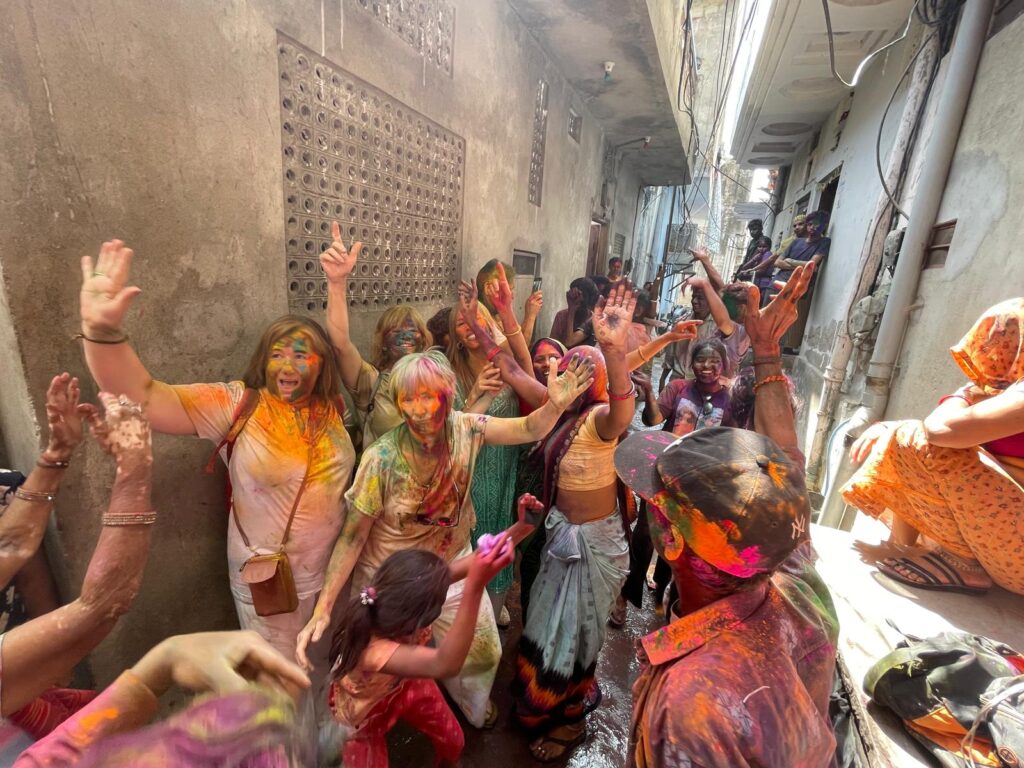
Accepting fear as part of the journey
At Cooperating Volunteers we firmly believe that fear is not a sign that you shouldn’t do something, but often just the opposite. It is a sign that you are about to take an important step.
Managing fear before, during and after a volunteering experience does not mean that it disappears, but that you learn to walk with it, to listen to it without letting it paralyze you, and to transform it into learning.
Because in the end, when you look back, you discover that fear was not what defined your experience… but the courage to have lived it despite it.