



THE VOLUNTEER EXPERIENCE IS LIVED HERE TOO
When we think about an international volunteer experience, we imagine the project: the school, the community center, the hospital, the environmental program.
But real integration also happens out there.
And one of those places is the local market.
For those carrying out their volunteer experience in Uganda, Zanzibar, Kenya or the Philippines (as examples we will use today), local markets become one of the first spaces where they stop feeling like visitors and begin to become part of everyday life.
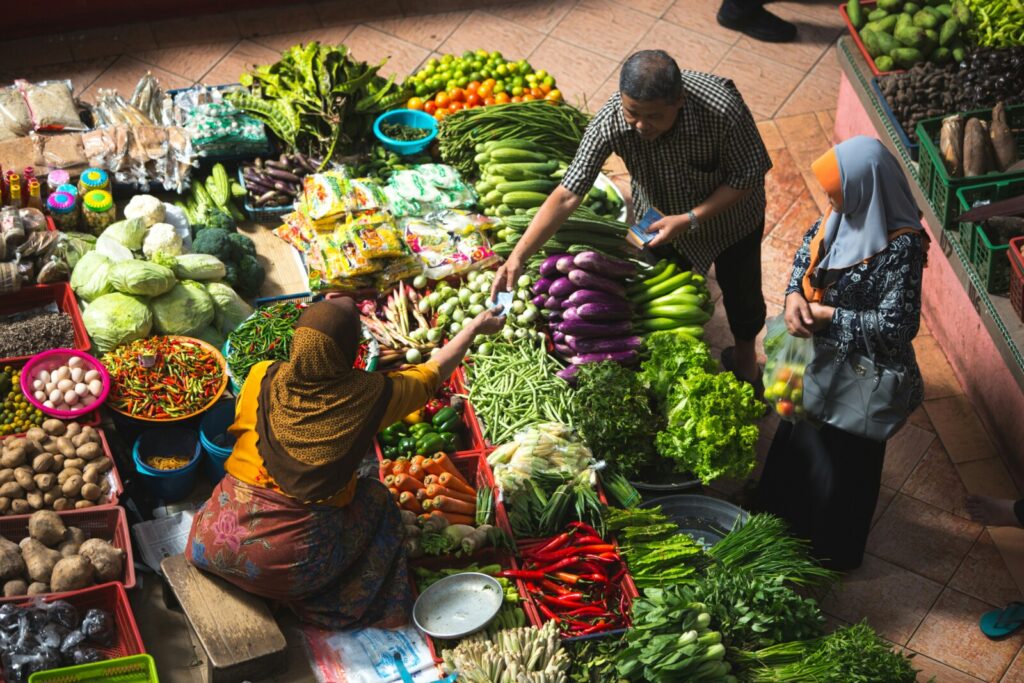
Much more than a place to shop
In destinations where Cooperating Volunteers develops its projects, markets are the heart of the community.
In Fort Portal, in western Uganda, local agricultural products fill the stalls from early in the morning.
In Jambiani, on the island of Zanzibar, fresh fish and spices reflect the constant connection with the Indian Ocean.
In Diani Beach, in Kenya, local commerce coexists with coastal energy.
And in Siargao, in the Philippines, markets blend Filipino tradition and island dynamism.
They are not just shopping spaces.
They are places where news is exchanged, where relationships are strengthened and where the community gathers.
An open-air cultural school
During a volunteer experience abroad, learning does not happen only in the project.
It happens when:
• You learn to greet in the local language.
• You discover how cultural negotiation works.
• You understand which products are in season.
• You observe how families organize their daily economy.
The market is a practical class in adaptation, respect and active listening.
And it is, many times, the first place where the participant understands that their experience goes far beyond tourism.
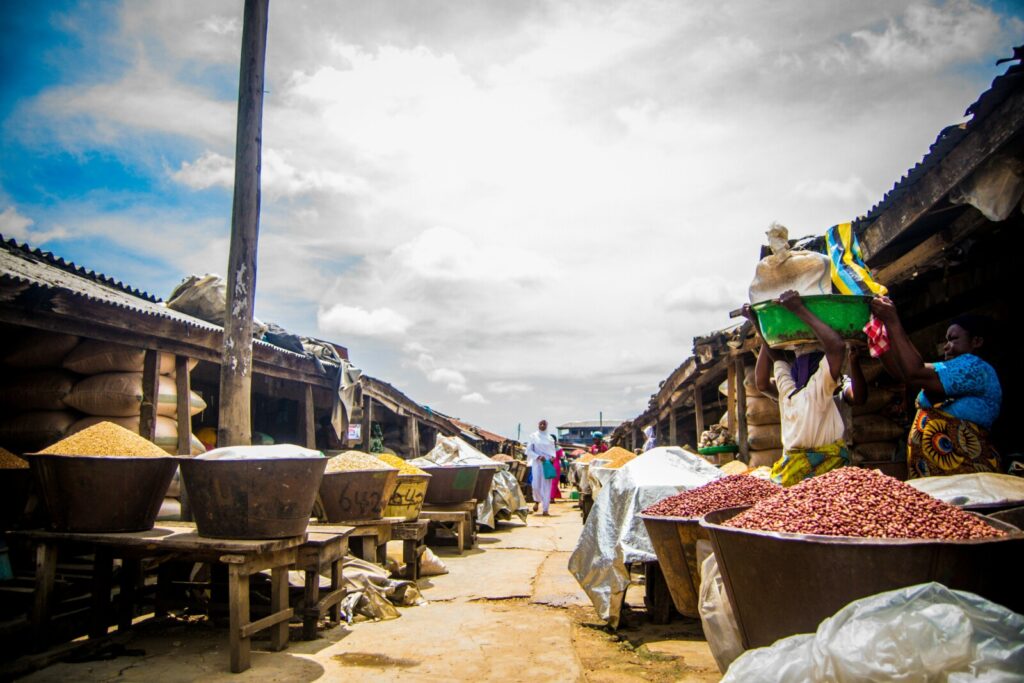
Tips for visiting local markets during your trip
Living this experience responsibly is key. Here are some practical tips for those volunteering in Africa or Asia with Cooperating Volunteers:
- Observe before acting
Each market has its own rhythm. Spend the first few minutes looking, understanding and adapting. - Ask before taking photographs
In communities in Uganda or Kenya, asking for permission is a basic sign of respect. - Bring cash and small bills
In places like Fort Portal or Diani Beach, payment is usually in cash. - Negotiate consciously
In some destinations it is common to negotiate, but remember that for the person selling, that income is part of their daily livelihood. - Buy local and seasonal products
In Jambiani or Siargao you will discover fruits, fish and unique products. Consuming locally means directly supporting the community. - Go accompanied during the first few days
The local coordinator or volunteers who have been at the destination longer can help you gain security and confidence.
Local economy and real impact
One of the pillars of responsible volunteering is understanding that every small action adds up.
When you make a purchase at the local market during your experience in Uganda or in Kenya, you are directly supporting small traders.
When you choose handmade crafts instead of imported products in Zanzibar or the Philippines, you are strengthening the local economy.
They are not extraordinary gestures.
But they are constant.
And that is where their impact lies.
Integration begins with the everyday
Many participants tell us that, after a few weeks, the market stops being an unfamiliar place.
They begin to recognize faces.
They are greeted by name.
They know which stall has the best fruit.
And in that moment, something changes.
Because integrating does not mean performing great heroic acts.
It means learning to become part of the daily life of the community that welcomes you.
And many times, it all begins in a market.
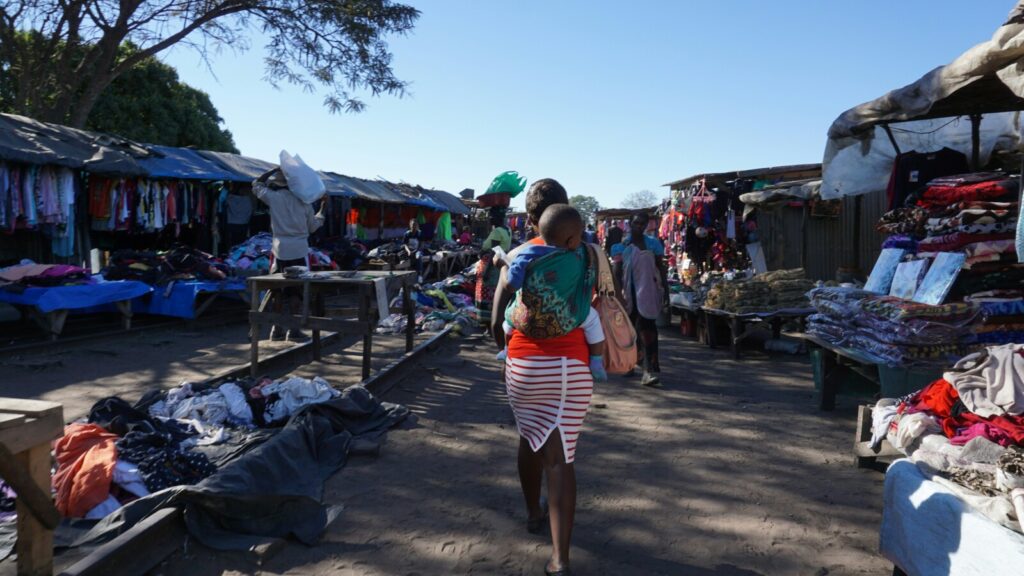
Can you imagine living this experience?
If you are thinking about taking this trip to Uganda, Kenya, Zanzibar or the Philippines… remember that your experience will not only be built in the project, but also in every small everyday gesture.
At Cooperating Volunteers we believe in responsible, conscious international volunteering connected to the local reality.
Because transforming the world often begins by learning to become part of it.