



We live in a time when we are constantly encouraged to stand out, to have quick answers, to show confidence and to demonstrate what we know. However, there are lessons that only arrive when we do just the opposite: when we lower the volume of our ego, put our certainties in our pocket, and truly decide to listen. To be present in the here and now.
Learning from humility is one of the deepest lessons that an international volunteer experience leaves behind.
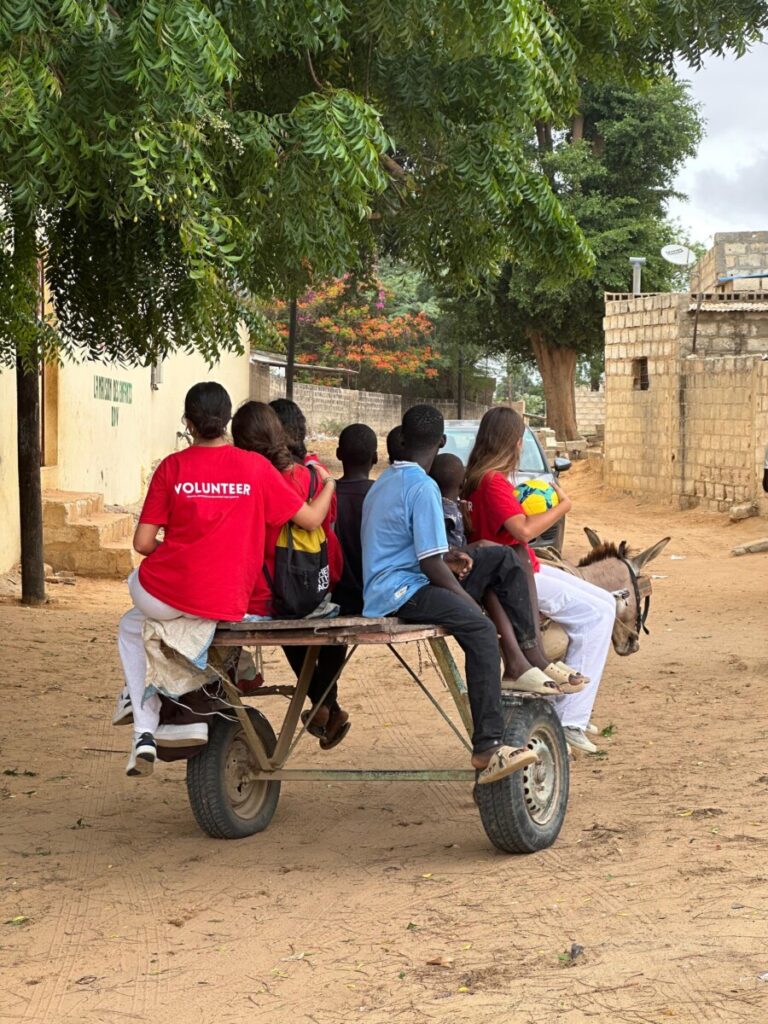
When a person decides to live an experience with Cooperating Volunteers, they often do so with the hope of contributing, helping, and generating positive impact. And all of that is important. But what they often do not imagine is that, before being able to contribute something meaningful, they will have to learn. And learn a lot.
Learning from humility means understanding that we do not arrive to “save” anyone. It means recognizing that the communities we work with have their own history, their own culture, their own solutions, and a wisdom built over generations. We are not the center. We are part of a process.
Listening before proposing.
Observing before intervening.
Asking before assuming.
In educational projects, for example, a participant may arrive with innovative ideas, new dynamics, or different resources, and although they are always very well received, they soon discover that the context sets the pace. That there are social, family, and cultural realities that influence every classroom. That learning does not depend only on a creative activity, but on a complex environment that deserves, above all else, respect.
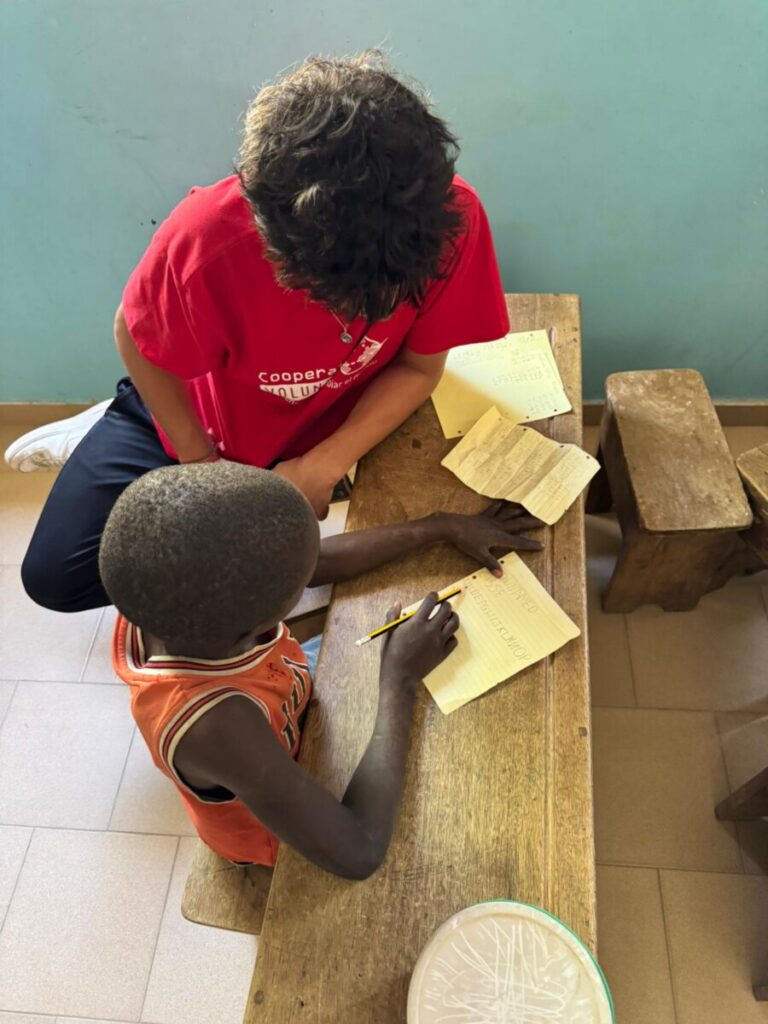
In community development programs something similar happens. Sometimes we believe we have quick solutions because they have worked in our own environment. However, each community has specific needs and different priorities. Learning from humility implies accepting that not everything can be transferred directly, that first we must understand the ground.
And it is precisely there where transformation happens.
When we stop thinking about what we are going to teach and begin to value what we are going to receive, something changes. We discover other ways of understanding time, family, work, resilience. We learn that cooperation is not about imposing, but about building together.
Humility also confronts us with our own limitations. It forces us to recognize that we do not know everything, that we can make mistakes, that we need guidance. And far from weakening us, this strengthens us. Because true confidence is not born from believing oneself superior, but from being willing to improve constantly.
Many volunteers return saying the same thing: “I thought I was going to teach, but I have learned much more than I have given.” And that phrase sums up a profound truth. The exchange is bidirectional. Growth is shared. And the learning is unique.
Learning from humility does not mean minimizing our abilities. It means putting them at the service of something greater. It means understanding that sustainable impact is built with respect, with dialogue, and with real collaboration.
It also implies adapting. Changing plans. Accepting that timelines are not always ours. That community processes require patience. That impact is not always immediate or visible, but it is deep when done well.
In fact, we do not want quick “solutions”, we want solutions that last over time.
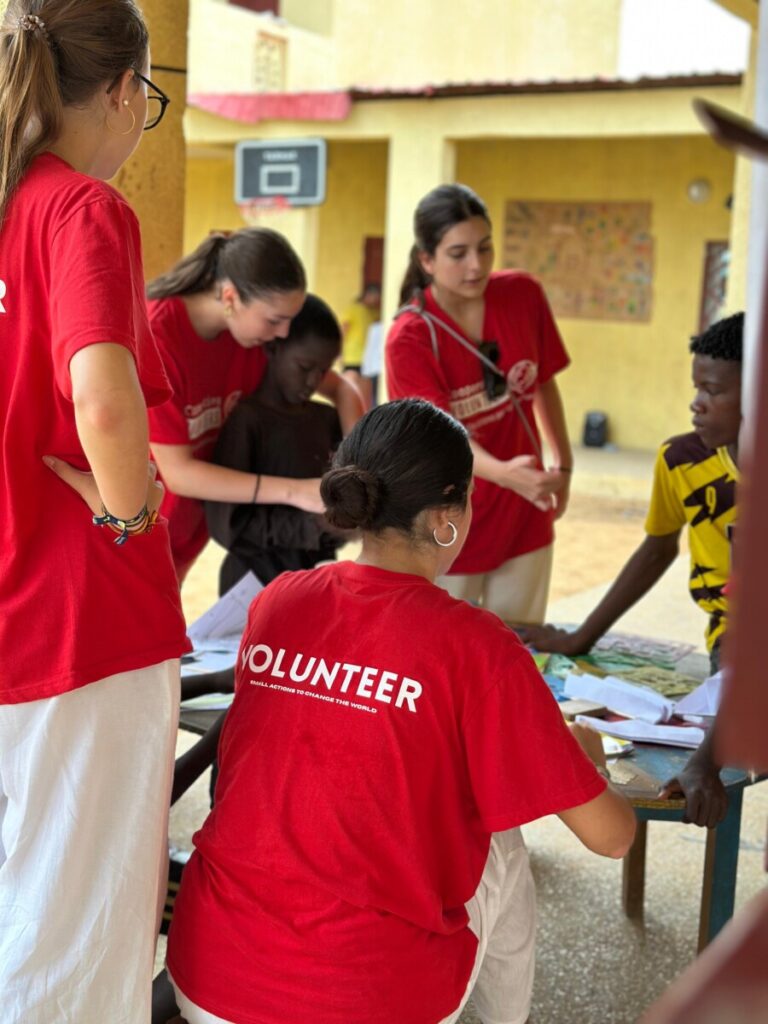
In a world that rewards speed and self-sufficiency, the international volunteer experience reminds us of the value of listening, of silence, and of empathy. It teaches us that the most authentic learning happens when we leave space for other voices to transform us.
Learning from humility is, at its core, recognizing that every culture has something to teach us. That every person has a story that deserves to be heard. That every shared experience is an opportunity to grow.
And perhaps that is the greatest lesson of all: that true impact begins when we understand that we are not going to change the world alone, but by accompanying, learning, and building from respect.
Because when humility guides our steps, learning ceases to be one-sided and becomes a bridge.
A bridge between realities.
Between cultures.
Between people.