



The climate during our high season.
The months from June to September are one of the most intense and enriching times to experience an international volunteering program with Cooperating Volunteers.
They coincide with holidays and personal breaks, but also with very different climatic realities depending on the destination.
Knowing the climate not only helps to prepare your suitcase: it allows you to understand the rhythm of the country, adapt to communities, and live the volunteering experience with greater awareness and respect.
Below, we tell you what these months are like in Senegal, Ghana, Costa Rica, the Philippines, and Tanzania, and what to keep in mind so the experience is as fulfilling as possible.
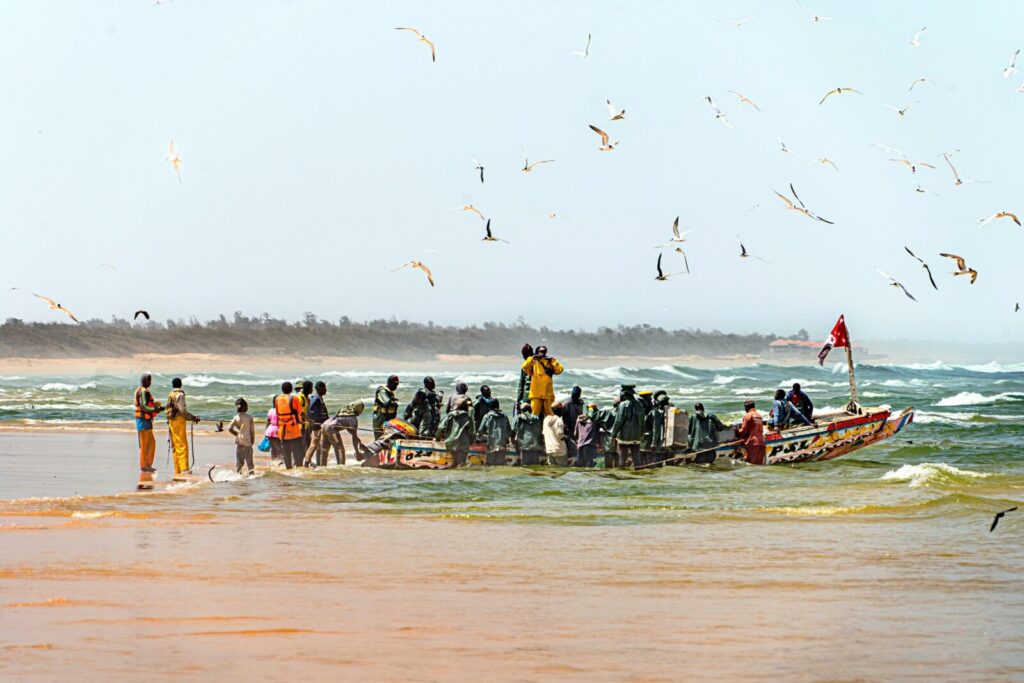
Senegal | Heat, rain, and community resilience
Between June and September, Senegal experiences the rainy season, especially marked in the south of the country. It is a period of great importance for local life, agriculture, and community organization.
- Temperatures: high, between 25 °C and 35 °C.
- Humidity: high.
- Rainfall: intense but intermittent, usually concentrated at specific times of the day.
How does it influence volunteering?
Volunteering during this time involves adaptation and flexibility. Some activities may be adjusted to the climate, but it is also when the reality of the country is experienced most authentically.
The rains transform the landscape and reinforce the sense of community, cooperation, and mutual support—values that are very present in the projects.
Recommendations
- Light, breathable, quick-drying clothing.
- Water-resistant footwear.
- Protection against rain and humidity.
- An open attitude toward changes in pace.
Ghana | Intense greenery and active community life
In Ghana, these months coincide with a rainy season, more pronounced in the south and somewhat milder in the north.
- Temperatures: between 24 °C and 32 °C.
- Humidity: high, especially in coastal areas.
- Rainfall: frequent, but not constant throughout the day.
How does it influence volunteering?
The climate can make days more physically demanding, but it also offers a unique opportunity to understand the daily lives of communities and to develop patience and adaptability.
Vegetation is at its most lush, and community life intensifies around shared needs.
Recommendations
- Constant hydration.
- Comfortable, light clothing.
- Insect repellent.
- Taking care of rest times.
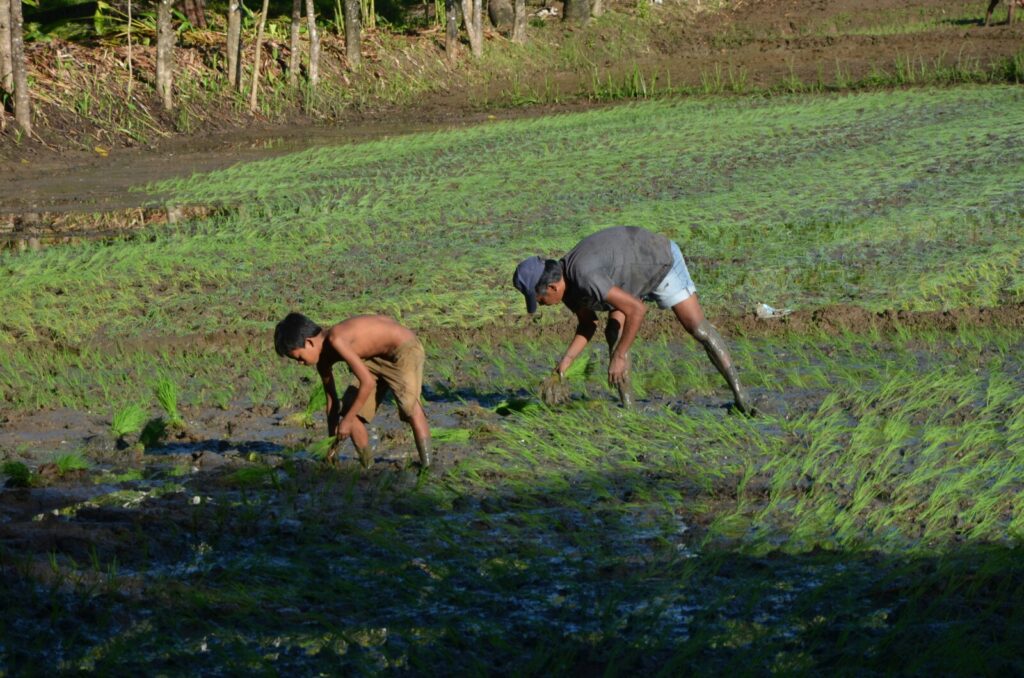
Costa Rica | Nature at its most vibrant
From June to September, Costa Rica is in the heart of the green season. Rain is part of daily life, but the country shows its most alive and exuberant version.
- Temperatures: between 22 °C and 30 °C, depending on the region.
- Rainfall: common, especially in the afternoons.
- Humidity: high.
How does it influence volunteering?
It is an especially powerful time for environmental and community projects. Contact with nature is constant, and volunteering becomes a deeply environment-connected experience.
The rains teach you to flow, reorganize activities, and value natural rhythms.
Recommendations
- Light rain jacket.
- Non-slip footwear.
- Quick-drying technical clothing.
- Accepting the rain as part of the experience.
Philippines | Tropical heat and a spirit of adaptation
In the Philippines, these months coincide with the rainy and typhoon season, although not all regions are affected equally.
- Temperatures: between 25 °C and 32 °C.
- Humidity: very high.
- Rainfall: frequent, with intense episodes.
How does it influence volunteering?
Volunteering during this period requires a particularly flexible attitude. Projects adapt to the climate and always prioritize safety.
It is a time when you learn a great deal about resilience, community, and mutual support—values deeply rooted in Filipino culture.
Recommendations
- Always follow local guidance.
- Waterproof and light clothing.
- Protection for electronic devices.
- Patience and adaptability.
Tanzania | Dry season and ideal conditions
In Tanzania, from June to September the dry season takes place, considered one of the best times of the year.
- Temperatures: between 20 °C and 28 °C.
- Rainfall: very scarce.
- Environment: dry, with cooler nights.
How does it influence volunteering?
The climate greatly facilitates daily work and mobility between communities. Conditions are ideal for both social and educational projects.
In addition, it is a perfect time to observe wildlife and understand the relationship between communities and their natural environment.
Recommendations
- Comfortable, breathable clothing.
- A light warm garment for the evenings.
- Sunscreen.
- Closed, durable footwear.
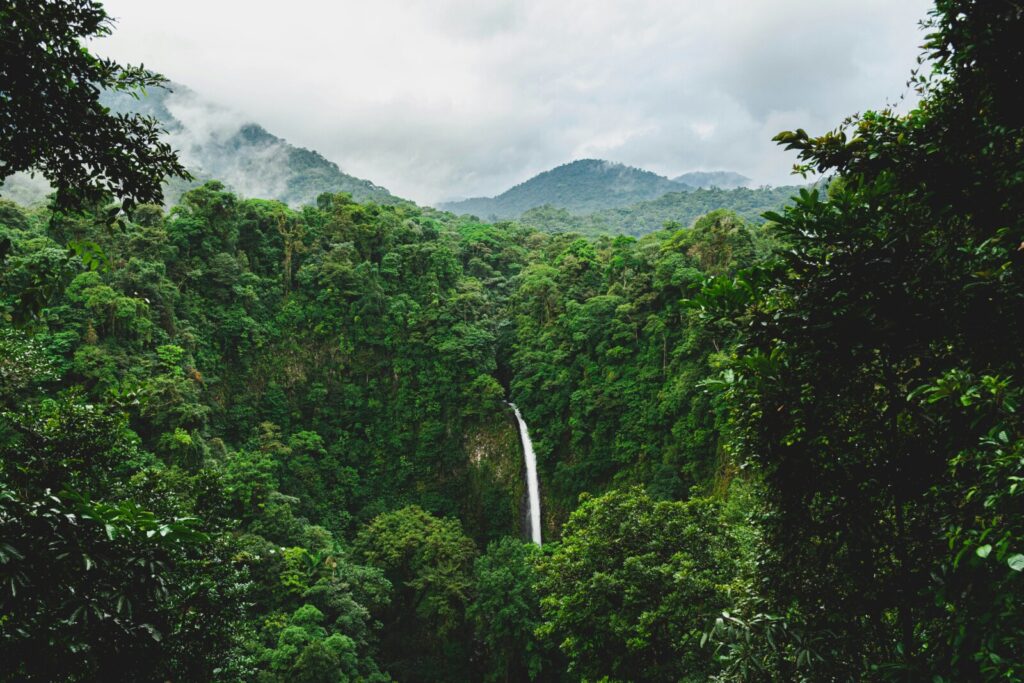
Each climate, a lesson
Experiencing volunteering between June and September means adapting to very different realities. From intense rainfall to dry seasons, each climate teaches something: patience, flexibility, resilience, or connection with nature.
Because volunteering does not happen despite the climate, but alongside it—forming part of the learning and the transformative experience that defines Cooperating Volunteers.