



At Cooperating Volunteers we work year-round across our different destinations, but our strongest season is summer.
From June to September, one of the most intense and special moments of the year begins. It is the time when the greatest number of people decide to take the step and live an international volunteering experience, coinciding with holidays, academic breaks, and a strong desire for change.
But beyond motivation, there is a key factor that directly influences the experience: the climate.
That’s why today we’re sharing the climate you can expect during your experience at destination.
Knowing the climatic conditions of each destination not only helps when packing your suitcase, but also allows you to adjust expectations, take care of your health, and experience volunteering in a more conscious and respectful way.
In this first part, we’ll tell you what the climate is like in Uganda, Diani Beach, Gatanga, Zanzibar, and Bali during these months, and what recommendations to keep in mind to enjoy the experience to the fullest.
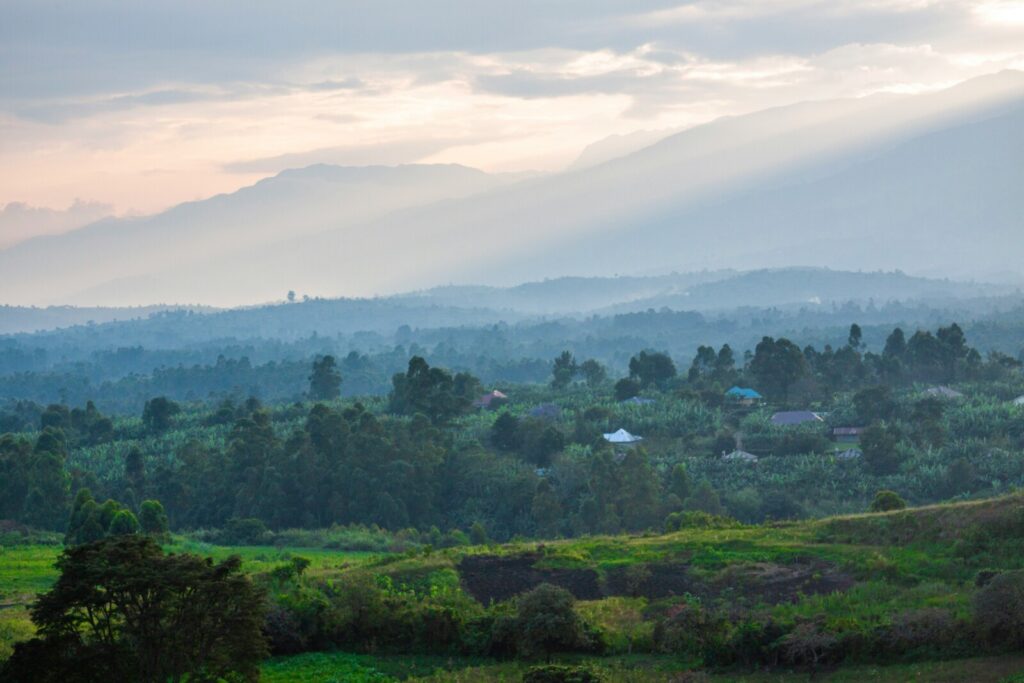
Uganda | Lush nature and mild climate
From June to September, Uganda goes through one of its best climatic periods. This corresponds to the dry season, especially in the south and center of the country, where most of our projects are based.
- Temperatures: mild and pleasant, between 20 °C and 27 °C during the day.
- Rainfall: scarce or moderate, usually brief and localized.
- Environment: green vegetation, passable roads, and spectacular landscapes.
How does it influence volunteering?
The climate greatly facilitates daily work: educational, community, or health-related activities take place normally, transportation is easier, and physical fatigue is reduced.
In addition, it’s an ideal time to connect with nature and enjoy getaways to national parks during your free time and weekends.
Recommendations
- Light but respectful clothing (shoulders and knees covered in communities).
- A sweatshirt or light jacket for mornings and evenings.
- Closed, comfortable footwear.
- Sun protection and insect repellent.
(Although you’ll find all recommendations in your panel)
Diani Beach (Kenya) | Gentle heat by the Indian Ocean
On Kenya’s southern coast, Diani Beach offers a very pleasant climate between June and September, considered by many to be one of the best times of the year.
- Temperatures: between 24 °C and 30 °C.
- Humidity: moderate, more bearable than in other months.
- Rainfall: minimal, with mostly sunny days.
How does it influence volunteering?
The climate allows you to perfectly combine working hours with moments of rest on its paradisiacal beaches. Volunteering days are lived with energy, without the extreme exhaustion of more humid heat.
The environment also invites reflection, self-care, and balance between giving and receiving.
Recommendations
- Fresh, breathable clothing.
- Hat or cap and sunscreen.
- Sandals for after the project and closed shoes for activities.
- Constant hydration.
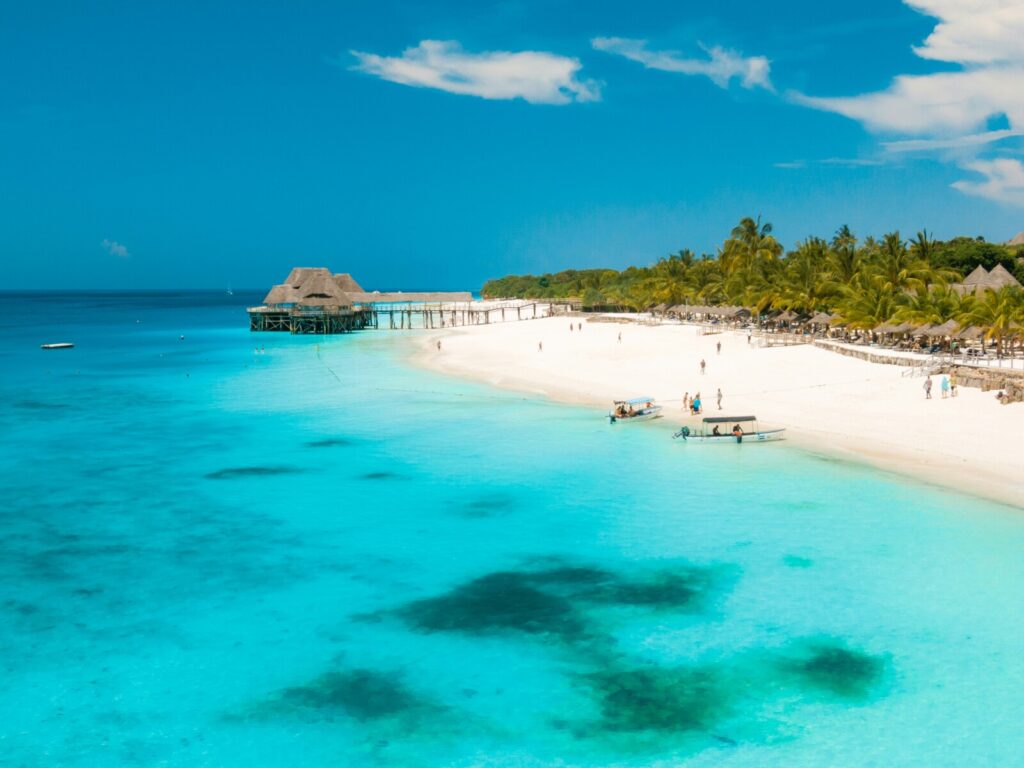
Gatanga (Kenya) | Rural, stable, and welcoming climate
Located in a rural inland area, Gatanga has a more temperate climate than the coast during these months.
- Temperatures: between 18 °C and 26 °C.
- Rainfall: very scarce between June and September.
- Atmosphere: dry, with cool mornings and pleasant afternoons.
How does it influence volunteering?
This climate greatly favors community and educational activities. Conditions allow for spending many hours outdoors, walking between communities, and easily adapting to the local rhythm.
It’s an especially beautiful time to observe everyday rural life and create deep bonds.
Recommendations
- Comfortable and durable clothing.
- Layers: short-sleeve shirts and a light warm garment.
- Closed footwear, ideal for dirt roads.
- A flexible attitude and openness to the local rhythm.
Zanzibar | Traditions, warmth, and sea breeze
In Zanzibar, the months from June to September coincide with the dry season and milder temperatures than the rest of the year.
- Temperatures: between 23 °C and 29 °C.
- Humidity: present, but more manageable.
- Rainfall: very infrequent.
How does it influence volunteering?
The climate allows for a very balanced experience: active volunteering days and time to integrate into local culture. The heat is constant, but the sea breeze helps make it more bearable.
It’s an ideal time to deepen coexistence with the community and understand daily life in a very culturally marked context, as well as to combine it with free time to enjoy its landscapes and incredible beaches.
Recommendations
- Light clothing that is respectful of local culture.
- A scarf or garment to cover up in community spaces.
- Sunscreen and sunglasses.
- Hydration and mindful rest.
Bali | Spirituality and dry climate
In Bali, June to September corresponds to the dry season, considered the best time to experience the island.
- Temperatures: between 24 °C and 31 °C.
- Humidity: lower than during the rainy season.
- Rainfall: practically nonexistent.
How does it influence volunteering?
The climate supports both work on community projects and personal connection. Activities take place without weather interruptions, and the environment invites introspection and cultural learning.
It’s an ideal time for those seeking a transformative experience, balancing action and reflection.
Recommendations
- Fresh, comfortable clothing.
- Easy-to-remove footwear (very common in temples and homes).
- Sunscreen and a cap.
- Respect for cultural norms, especially in sacred spaces.
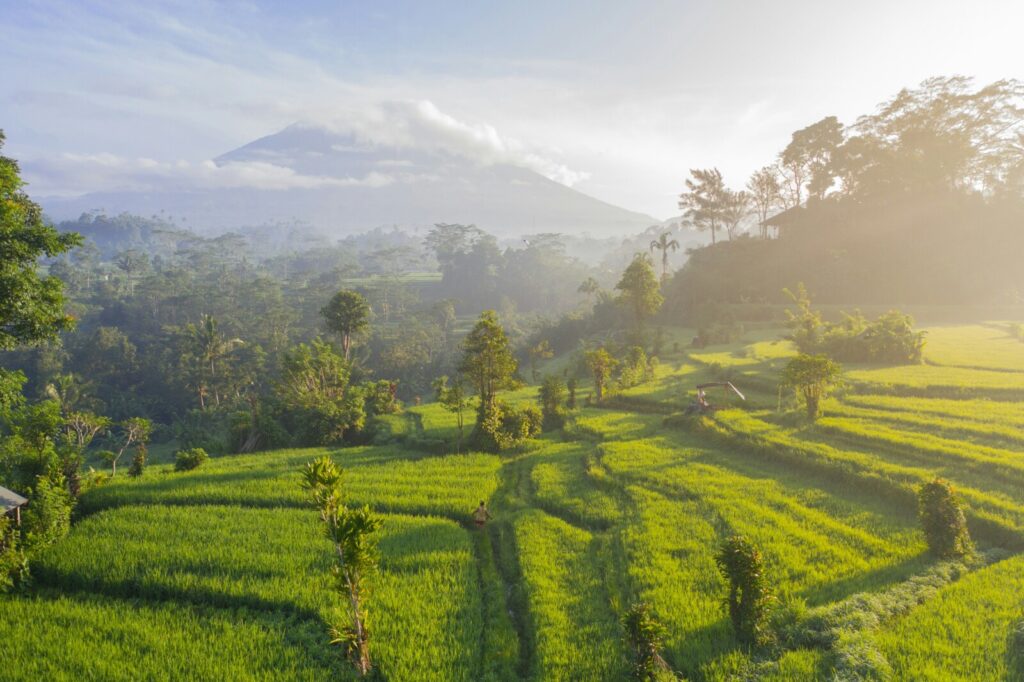
A different climate, a unique experience
Each destination has its own climate, but they all share something during these months: favorable conditions to experience volunteering fully. Understanding the environment, adapting to it, and respecting it are part of the learning.
Because volunteering isn’t just about what you do, but how you live it. And the climate, even if it sometimes goes unnoticed, is also part of the journey.