



Much more than helping…
When we think about an international volunteer experience, we often imagine the moment of arrival at the destination, the first day at the project, the contact with a new culture, or the excitement of being part of something different. However, one of the most important and transformative parts of any volunteer program is the opportunity to make a real contribution to the local community.
Contributing to the community does not mean arriving at a destination to “change everything” in just a few weeks. It means integrating respectfully, listening, learning, supporting, and contributing within projects that already exist, that have a history, specific needs, and a local team working every day to improve the reality of their environment.
Volunteering is not only about what you can give. It is also about how you give it, the attitude with which you participate, and the human impact that is created when people from different places collaborate with the same goal.
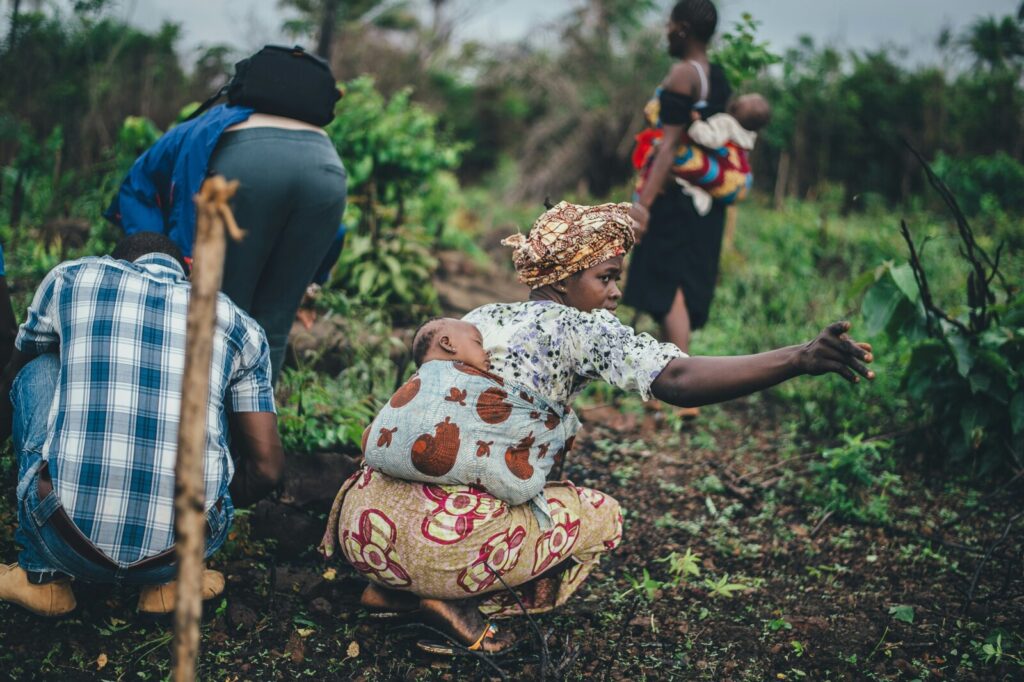
What does it really mean to contribute to a community?
Contributing to the community means actively participating in initiatives that seek to improve people’s quality of life, protect the environment, support education, strengthen social projects, or accompany groups that are in vulnerable situations.
But it also means something deeper: becoming part of local daily life.
During a volunteer experience, participants are not just visitors. For a period of time, they become part of a community dynamic. They share spaces, routines, learning experiences, and responsibilities with local people, coordinators, other volunteers, and project beneficiaries.
This contribution can take many forms. It can mean helping in a school, collaborating in activities with children, supporting women’s empowerment workshops, participating in environmental conservation programs, helping with community tasks, accompanying elderly people, supporting construction or rehabilitation projects, or taking part in awareness campaigns.
Every action, even if it seems small, can be part of a much wider process.
The importance of arriving with humility and respect
One of the most important aspects of international volunteering is understanding that each community has its own culture, its own rhythms, its priorities, and its ways of organizing.
That is why contributing does not mean imposing external ideas or assuming that we know all the answers. On the contrary: a good volunteer experience begins with listening.
Listening to the local team.
Listening to the community.
Observing before acting.
Asking before deciding.
Learning before proposing.
This attitude makes the difference between superficial participation and truly respectful collaboration.
The communities that receive volunteers do not need people who arrive with a sense of superiority, but people willing to collaborate with empathy, responsibility, and cultural sensitivity.
Responsible volunteering is based on an essential idea: the leading role must always belong to the local community. Volunteers accompany, support, and reinforce, but they do not replace the work or leadership of local people.
Small actions that create big changes
Sometimes, volunteers arrive with the expectation of making major changes in a short period of time. However, the impact of volunteering is often built through simple, consistent, and well-oriented actions.
Helping a child practise English.
Preparing materials for an educational activity.
Taking part in a beach clean-up.
Supporting a group of women in a workshop.
Helping improve a community space.
Sharing basic computer skills.
Accompanying a local team in their daily tasks.
Helping organize games, dynamics, or sports activities.
Participating in environmental awareness campaigns.
Supporting the preparation of meals, materials, or resources for the project.
These actions may seem simple, but within a well-structured program they have significant value. The sum of many small efforts, maintained over time by different volunteers and coordinated by the local team, can create a sustainable impact.
Volunteering should not be measured only by immediate results. Often, its value lies in accompaniment, continuity, motivation, and human exchange.
The role of the volunteer within the project
Each volunteer project has different needs. That is why the role of the volunteer may vary depending on the destination, the program, the length of stay, age, previous experience, and personal skills.
In some projects, the volunteer will have a more educational role. In others, their work will be related to environmental activities, community support, social accompaniment, maintenance tasks, awareness-raising, or collaboration in daily activities.
The important thing is to understand that the volunteer does not act in isolation. They are part of an organized structure, with local coordinators, project leaders, and a community that sets the priorities.
That is why flexibility is essential.
Some activities may change for cultural, weather-related, school, logistical, or community reasons. One day an activity may be planned and, in the end, it may be necessary to support another more urgent task. This ability to adapt is part of the experience.
A good volunteer is not someone who arrives expecting everything to be exactly as imagined, but someone who adapts with maturity, maintains a positive attitude, and understands that the reality on the ground can change.
Coexistence as part of the contribution
Contributing to a community does not only happen during program hours. It also happens in daily coexistence.
The way a volunteer relates to their fellow volunteers, the local team, families, neighbours, or project beneficiaries is also part of the impact they generate.
Being respectful of local rules, taking care of shared spaces, showing interest in the culture, learning a few words of the local language, dressing appropriately according to the context, respecting schedules, and acting responsibly are essential aspects.
Volunteering does not end when leaving the project. The volunteer’s attitude throughout their entire stay influences how the community perceives the international presence and how long-term relationships of trust are built.
That is why contributing also means being aware that every behaviour matters.
The community is not a stage: it is a living reality
One of the most common mistakes when travelling to a volunteer destination is looking at the community as if it were simply the setting for a personal experience. But a community is not a backdrop or a tourist activity. It is a place where people live, with their challenges, strengths, traditions, and dignity.
Responsible volunteering requires looking at the community with respect, not pity.
The people you work with should not be seen only through their needs, but also through their abilities, knowledge, talent, and resilience. Many communities have local leaders, associations, teachers, families, caregivers, activists, and professionals who have been working for years to improve their environment.
The volunteer joins that effort. They do not replace it.
This perspective is key to avoiding a paternalistic view of volunteering and building a relationship based on real cooperation.
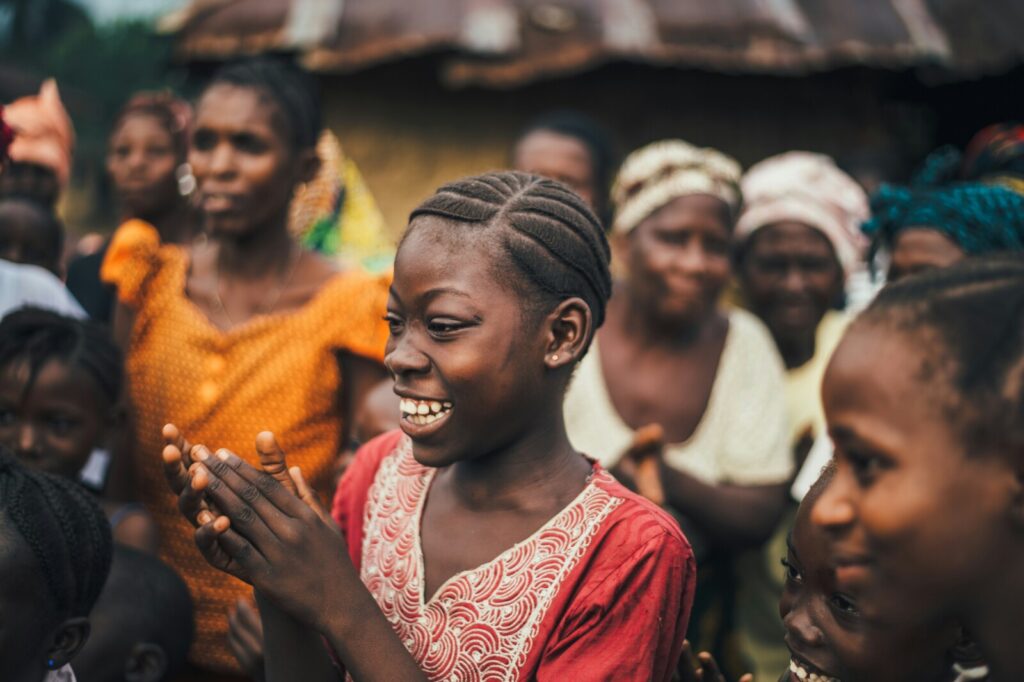
Social impact and continuity
A volunteer experience may last one, two, four weeks, or several months. But community projects usually last much longer. That is why continuity is essential.
When a volunteer participates in a program, their work adds to the work previously carried out by others and to the work that future volunteers, coordinators, and community members will continue to carry out.
This continuity allows actions not to remain isolated. A workshop, a class, a support activity, an improvement to a common space, or an environmental campaign can all be part of a broader process.
That is why it is important for each volunteer to understand their role within a chain of collaboration. They may not see all the results during their stay, but their contribution can help the project move forward little by little.
Social impact is not always immediate or visible. Sometimes it is built quietly, through constant presence, daily support, and trust generated over time.
Benefits for the community
When volunteering is carried out in an organized and responsible way, it can bring important benefits to the community.
Among them, it can help reinforce educational projects, expand activities for children and young people, support environmental conservation initiatives, raise awareness of certain issues, collaborate in the improvement of community spaces, or facilitate the exchange of knowledge.
It can also provide motivation and additional support to local teams that often work with limited resources.
In educational programs, for example, volunteers can help energize activities, practise languages, reinforce content, or accompany teachers. In environmental projects, they can collaborate in cleaning, reforestation, awareness-raising, or wildlife protection tasks. In community programs, they can support workshops, recreational activities, or local development initiatives.
Each destination and each community has different needs. That is why the key is to adapt the collaboration to what is truly needed on the ground.
Benefits for the volunteer
Although the main objective should be to support the community, volunteering also offers enormous personal learning for those who take part.
Volunteers develop skills such as empathy, intercultural communication, patience, autonomy, problem-solving, and teamwork. They also learn to navigate new contexts, step out of their comfort zone, and value the importance of cooperation.
Many people discover professional or personal interests during their volunteer experience that they had not previously considered. Others return with greater social and environmental awareness. Some even decide to remain connected to solidarity projects, international cooperation, education, health, conservation, or community action.
Volunteering can be a transformative experience because it connects learning with action. It is not only about travelling, but about actively participating in a different reality.
The value of cultural exchange
One of the most enriching aspects of volunteering is cultural exchange. Living alongside people from another country allows you to discover new ways of life, learn different customs, and also share part of your own culture.
This exchange can happen in small everyday moments: a conversation during an activity, a shared meal, a song, a game, a local celebration, or an afternoon of teamwork.
These encounters help break down stereotypes and build more human connections. They allow us to understand that, although cultural differences exist, there are also many shared emotions, values, and goals.
Volunteering creates bridges between people who might never have met otherwise.
An experience that leaves a mark
Contributing to the community during a volunteer experience is much more than participating in scheduled activities. It means getting involved, learning, listening, adapting, and becoming part of a collective process.
Every volunteer leaves a mark, but also takes one with them. The coexistence, the shared stories, the challenges of daily life, and the bonds created turn volunteering into an experience that is difficult to forget.
Those who take part in a volunteer program discover that real help is not always found in big gestures, but in consistency, respect, and presence.
Because contributing to a community means understanding that we all have something to offer, but also a lot to learn.
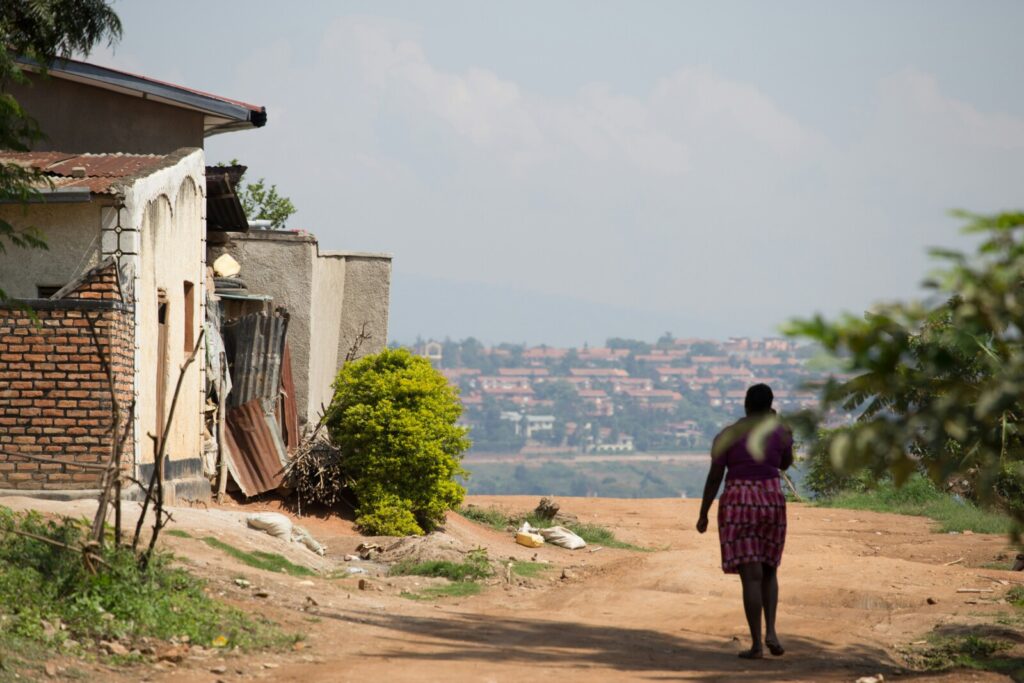
Volunteering with Cooperating Volunteers
At Cooperating Volunteers, we work with local projects in different international destinations, always with the aim of promoting responsible, respectful volunteering adapted to the needs of each community.
Our programs allow volunteers to collaborate in areas such as education, childhood, women’s empowerment, environmental conservation, community support, construction, health, animal protection, and social development.
Each experience is designed so that volunteers can integrate into the project, understand the local reality, and contribute positively during their stay.
Travelling as a volunteer is not only about discovering a new destination. It is about becoming part of a community, supporting local initiatives, and living an experience that can transform the way you see the world.
If you are thinking about doing international volunteering, remember: you do not need to change the world in one day. Sometimes, the first step is simply to be present, listen, and contribute with commitment.
Because when we collaborate with respect, every small action can have great meaning.