



Wild nature in the heart of Ghana
Traveling to Ghana with Cooperating Volunteers allows you to combine your volunteering experience with the opportunity to explore some of the country’s most spectacular natural landscapes. In your free time, you can enjoy excursions to iconic places such as Mole National Park, where the African savannah and wildlife offer an unforgettable experience.
Mole National Park is Ghana’s largest and most emblematic national park, located in the northwest of the country, in the Savannah region. Covering approximately 4,840 km², it is the largest protected wildlife area in Ghana and one of West Africa’s most important nature destinations.
History and culture of the park
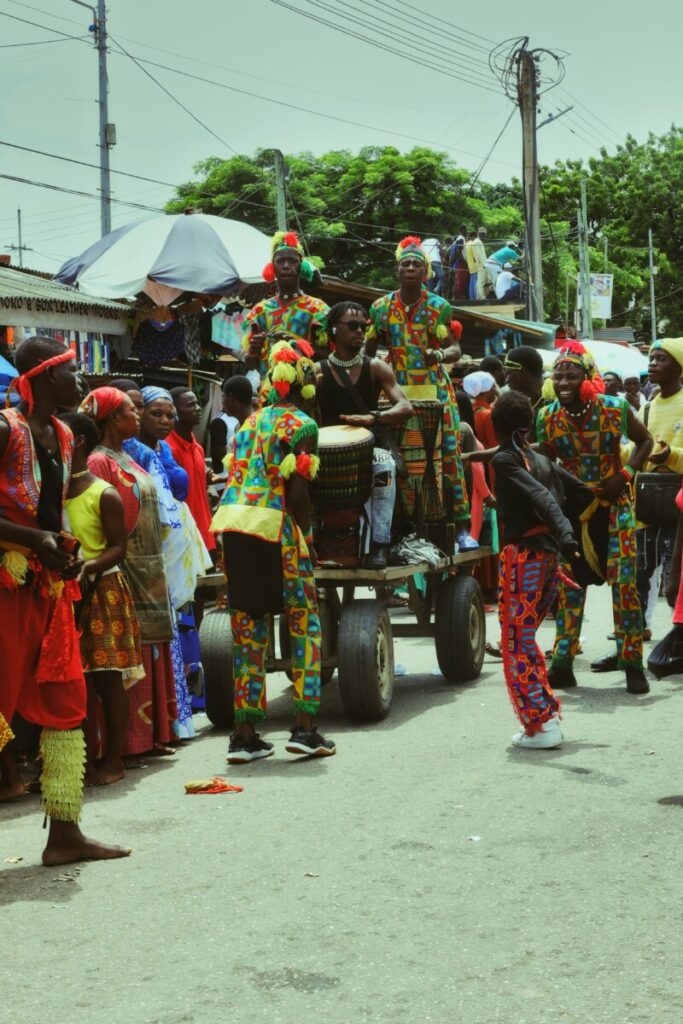
The area that today forms Mole National Park has been inhabited by local communities for centuries. Before its declaration as a national park in 1958, the region was known for subsistence hunting and coexistence with wild animals. Currently, nearby villages, such as Larabanga and Damongo, maintain unique cultural traditions that can be explored during your visit. The famous Larabanga Mosque, one of Ghana’s oldest mosques, is located close to the park and combines the nature experience with historical heritage.
Geography and ecosystems
Mole’s landscape is dominated by vast savannah plains, riparian forests, and gentle hills. The Mole and Lovi rivers flow through the park, providing ponds and water points essential during the dry season, attracting abundant wildlife.
The park hosts a mix of ecosystems:
- Grassland savannah: ideal for observing large herds of herbivores.
- Riparian forests: home to primates and birds.
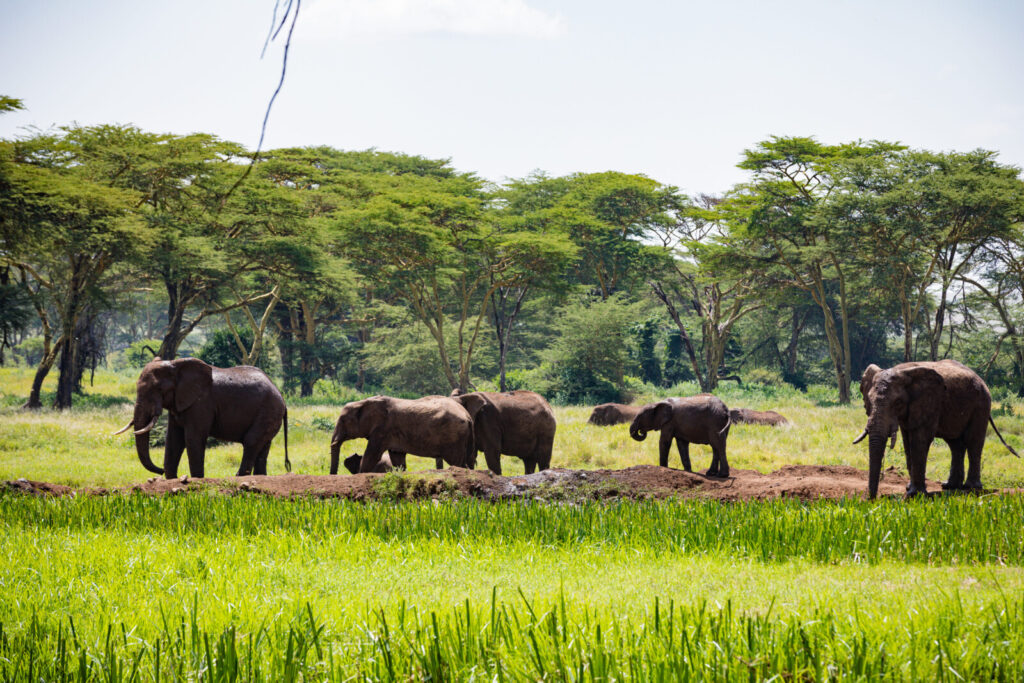
- Seasonal water areas: key spots to see elephants and buffaloes cool off.
Wildlife and flora
Mole is a refuge for African biodiversity:
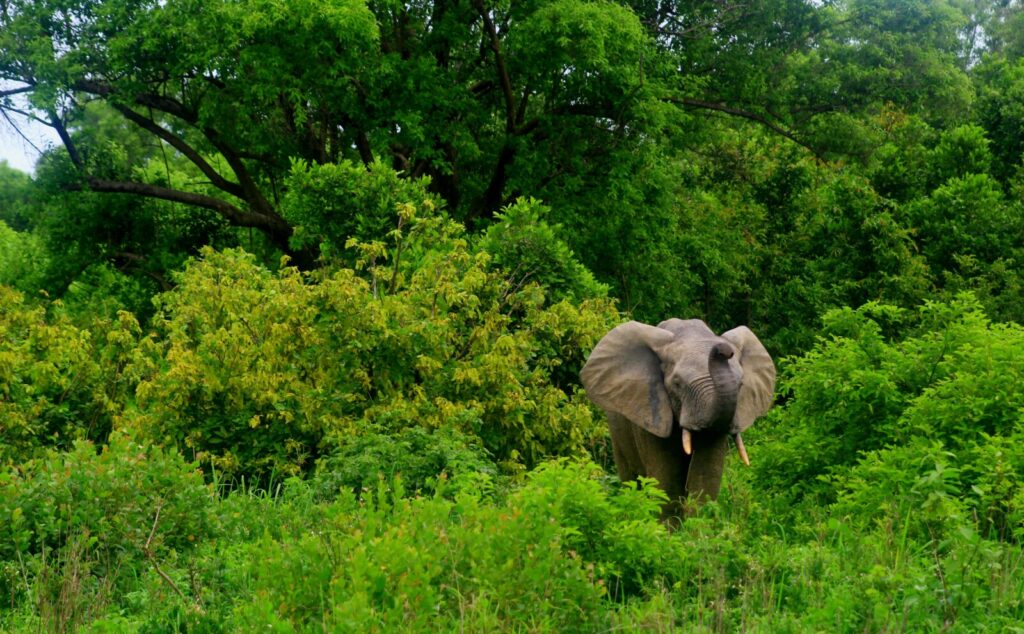
- Large mammals: African elephants, buffaloes, kobs, waterbucks, warthogs, and antelopes such as roan and hartebeest.
- Primates: Baboons, colobus monkeys, and vervet monkeys.
- Birds: Over 300 species, including eagles, kingfishers, and scavengers.
- Reptiles and amphibians: Crocodiles and various reptiles along watercourses.
Although lions and leopards inhabit the park, they are difficult to spot due to their elusive behavior.
Activities in the park
- 4×4 safari: Explore open routes and observe wildlife from viewing points and waterholes.
- Walking safari: A more intimate experience accompanied by experienced guides.
- Birdwatching and landscape photography: Ideal for ornithology enthusiasts and nature photographers.
Practical tips for visitors and volunteers
Best time to visit: From November to March, during the dry season, when animals gather around water points.
Clothing and footwear: Lightweight, neutral-colored clothing, a hat, comfortable field boots, and a raincoat if visiting during the wet season.
Sun and insect protection: Sunscreen, sunglasses, hat, and insect repellent are essential.
Hydration: Carry enough water for long excursions, especially on walking safaris.
Local guides: Always follow the guide’s instructions for your safety and to avoid disturbing the wildlife.
Responsible photography: Keep a safe distance from animals and avoid excessive noise.
Currency and services: Bring cash in cedis for souvenirs and local services, as not all places accept cards.
Why visit Mole with Cooperating Volunteers
Mole National Park offers a less crowded and more authentic alternative to safaris in eastern and southern Africa. Its size, variety of species, and possibility for walking experiences make it ideal for those seeking a direct connection with nature. Visits can be combined with cultural activities in nearby communities, offering a fuller understanding of northern Ghana and local life.