



WHEN VOLUNTEERING IS ALSO AN INNER JOURNEY
Traveling abroad to take part in an international volunteering experience is, without a doubt, a transformative experience. You change your environment, your routines, your language and, above all, your way of understanding the world. It is at that point that something as natural as it is challenging appears: cultural shock.
Far from being something negative, cultural shock is an essential part of the process. It is a gateway to real learning, to personal growth and to a deeper connection with the local community. Because when you step out of the familiar, you begin to see —and to feel— differently.
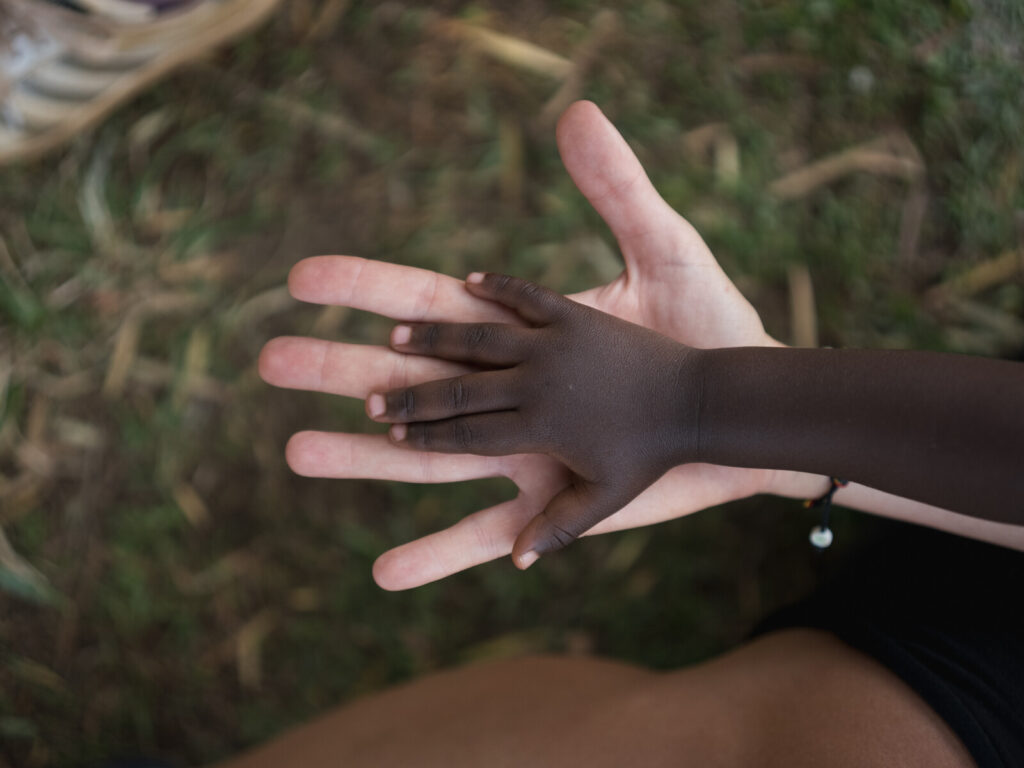
What is cultural shock?
Cultural shock is the feeling of disorientation or discomfort that can arise when you are faced with a culture different from your own. It can manifest in small details of everyday life: different schedules, unfamiliar foods, more direct or more indirect ways of communicating, another way of relating to time, work or the community.
In the context of international volunteering, this process often intensifies. You are not only traveling, but also integrating into a local reality, living alongside people who have different customs, values and ways of life.
The phases of cultural shock
Cultural shock does not occur all at once, but usually develops in different stages:
- The honeymoon phase: Everything is new, exciting, different. There is curiosity, enthusiasm and a desire to discover every detail.
- The frustration phase: Difficulties begin to appear. What once seemed fascinating can become confusing or even uncomfortable. Doubts, tiredness or even a certain sense of nostalgia arise.
- The adaptation phase: Little by little, you begin to understand the environment better. You become familiar with customs, find your place and feel more comfortable.
- The integration phase: The culture no longer feels “strange”. You learn to move naturally and develop a broader, more flexible perspective.
Each person experiences this process differently. There is no right or wrong way to go through it.
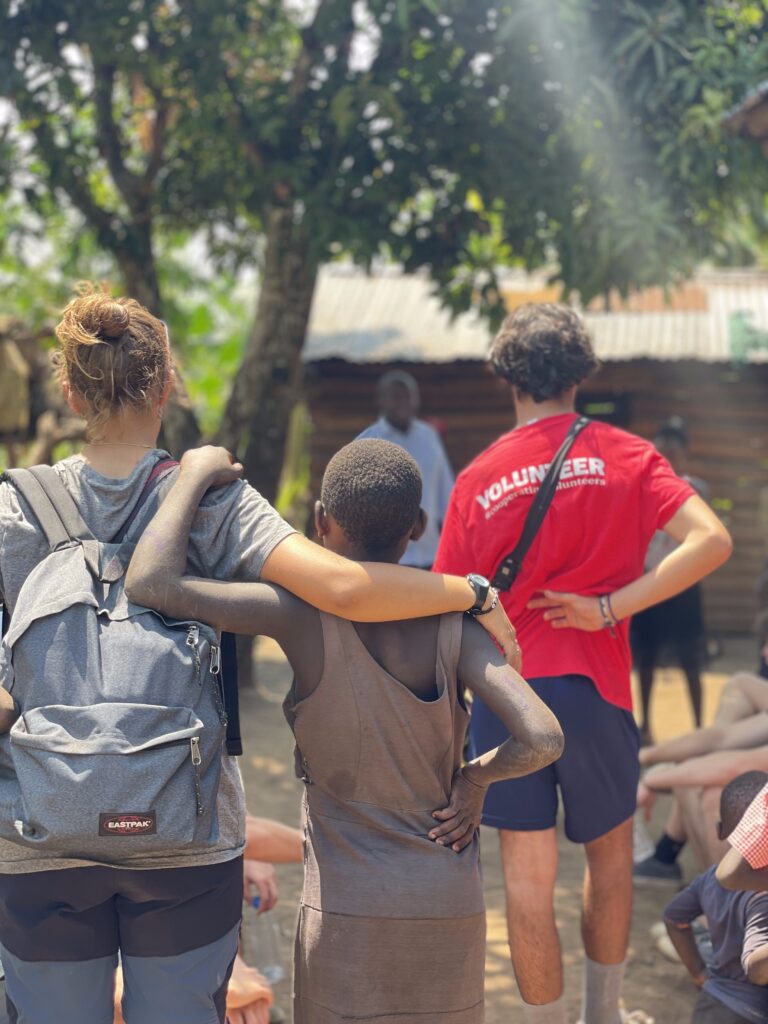
Volunteering as a cultural bridge
One of the greatest strengths of international volunteering is precisely that cultural immersion. You are not just a visitor: you become part, even if temporarily, of the community.
You share spaces, conversations, learnings. You observe how everyday life is lived from another perspective. And in that exchange, cultural shock stops being a barrier and becomes a bridge.
You understand that there is not just one way of doing things. That what is “normal” for you may not be so for others. And vice versa.
Learning to manage cultural shock
Experiencing cultural shock also means learning how to manage it. Some key ideas that can help you during the experience:
- Keep an open mind: Avoid constantly comparing with your culture of origin.
- Observe without judging: Before interpreting, try to understand the context.
- Accept discomfort: It is part of the process. It is a sign that you are learning.
- Talk and share: With other volunteers or with local people. Putting your feelings into words helps.
- Be patient with yourself: Adapting takes time.
The real impact: what you take with you
Cultural shock does not end when you return home. In fact, it often continues in the form of “reverse cultural shock”: returning to your environment with a new way of seeing things.
You take with you learnings that go beyond the project: empathy, adaptability, tolerance, understanding. You discover that the world is much broader and more diverse than you imagined.
And above all, you understand that growing also means questioning what you once took for granted.
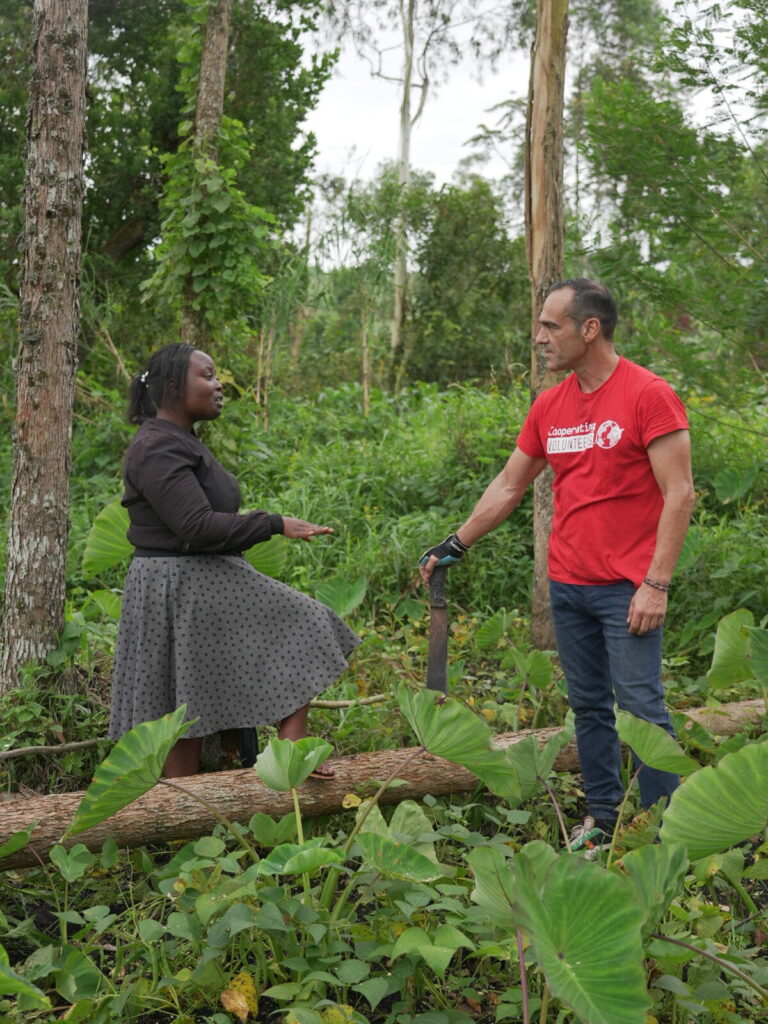
An experience that transforms
Cultural shock is not an obstacle within international volunteering, but one of its most valuable parts. It is what takes you out of your comfort zone, what invites you to look beyond, what transforms you.
Because in the end, you are not only traveling to another place.
You are also traveling towards a new version of yourself.