



BREAKING STEREOTYPES THROUGH THE VOLUNTEERING EXPERIENCE
When we hear the word “Africa”, we often don’t think of a continent, but rather a generalized idea. An image built from headlines, films, campaigns, and incomplete narratives. But Africa is not a country. It is a vast, diverse continent full of nuances that cannot be summarized in a single story.
For those who decide to live an international volunteering experience, this contrast between what they imagined and what they discover upon arrival becomes one of the most meaningful lessons of the journey.
Because Africa does not need to be defined. It needs to be listened to.
MYTH 1: “Africa is poverty”
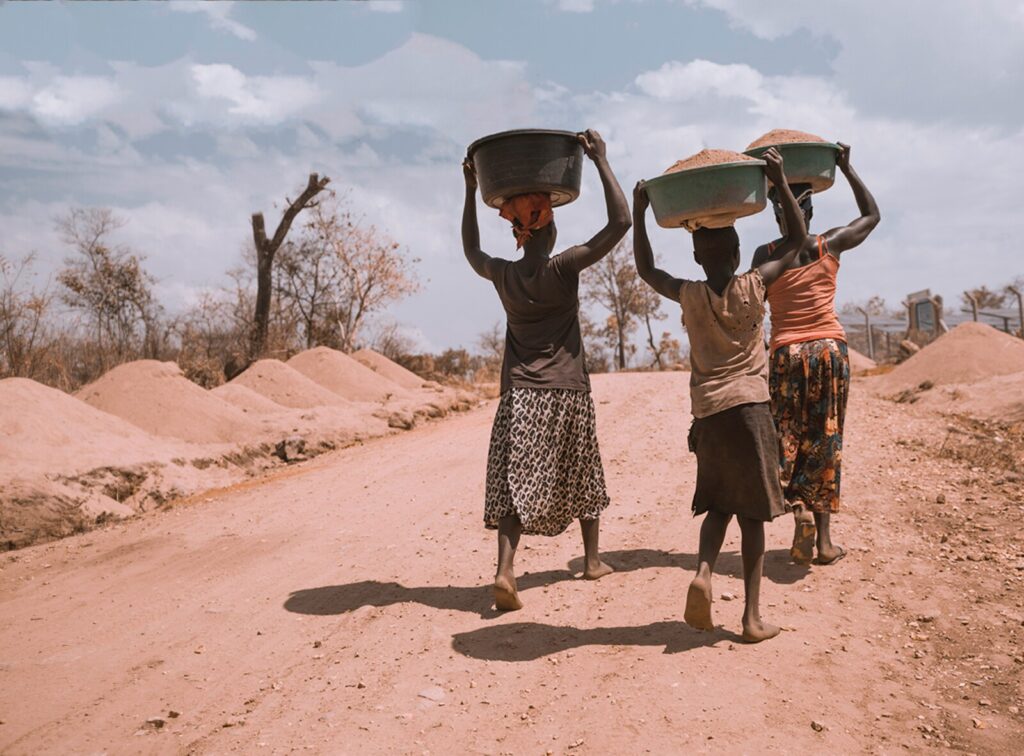
One of the most widespread stereotypes is associating Africa solely with poverty. However, reducing an entire continent to this reality is an unfair oversimplification.
Yes, there are economic and social challenges in many countries. But there is also growth, innovation, entrepreneurship, and strong communities working every day towards their development.
During a volunteering experience, many people discover something they did not expect: wealth is not always measured in material terms. Hospitality, sense of community, resilience, and adaptability are deeply present in everyday life.
Africa is not only scarcity. It is also abundance, in forms that we often fail to recognize until we experience them.
MYTH 2: “All African countries are the same”
Africa is made up of 54 countries, each with its own history, culture, languages, traditions, and social realities.
Life in a coastal environment like Zanzibar is completely different from the experience in rural areas of Uganda or in dynamic cities in Kenya. Even within the same country, cultural differences can be enormous.
Volunteering allows you to understand this from within. There is not one single “Africa”, but many Africas coexisting within the same continent.
And that discovery completely changes the way we see the world.
MYTH 3: “Africa is dangerous”
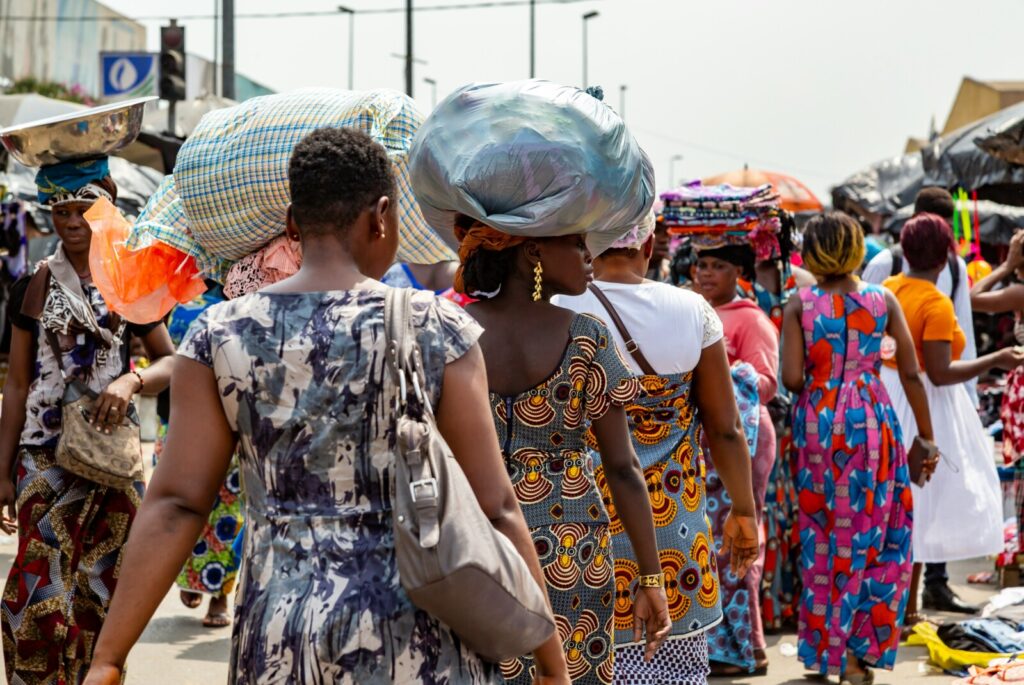
The perception of insecurity is another major myth. As in any part of the world, there are safer areas than others. But generalizing the entire continent as dangerous is an unrealistic view.
Thousands of people travel every year to African countries to work, study, or volunteer without any issues. The key, as always, is to stay informed, respect local recommendations, and adapt to the context.
In fact, many people agree on one thing: they have never felt as supported as they did within the local communities where they lived their experience.
MYTH 4: “Volunteering is about ‘helping’”
This is perhaps one of the most important myths to break.
When someone travels to Africa to volunteer, they may think they are going to “change lives”. But the reality is far more complex — and far more enriching.
Volunteering is not about saving anyone. It is about sharing, learning, collaborating, and understanding.
Local communities are not waiting to be rescued. They are actively working on their own development. The role of the volunteer is to accompany, to contribute with respect, and above all, to learn with humility.
And many times, the greatest impact is not what you leave behind… but what you take with you.
MYTH 5: “Africa is only nature and wildlife”
The image of safaris, endless savannas, and wildlife is part of Africa’s reality, but it is far from the only one.
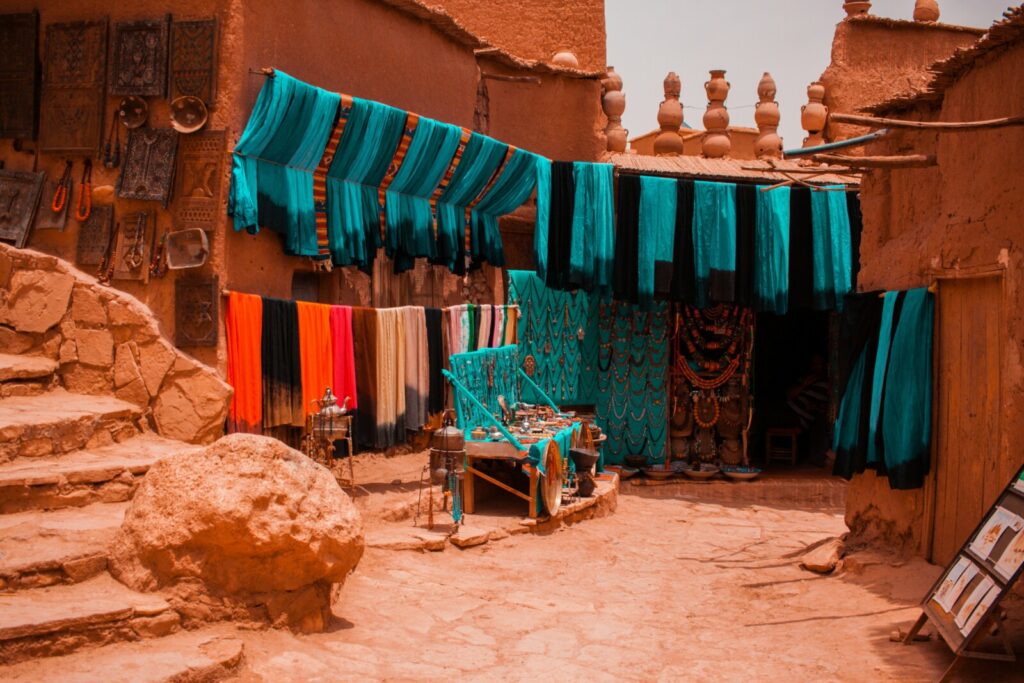
Africa is also cities, contemporary art, music, innovation, and youth. It is vibrant markets, schools, universities, startups, and cultural movements in constant evolution.
During a volunteering experience, it is common to engage more with everyday life than with the tourist image. And that is where the true essence of each place is discovered.
WHAT AFRICA REALLY TEACHES YOU
Beyond breaking myths, the volunteering experience in Africa invites something deeper: questioning our own beliefs.
It pushes us to rethink what we understand by development, well-being, and community.
It teaches us to listen before giving opinions. To observe before judging. To understand before defining.
And above all, it reminds us that a single story is never enough to explain a reality.
TRAVEL TO UNDERSTAND, NOT TO CONFIRM
Traveling with preconceived ideas is easy. What is difficult — and valuable — is being willing to change them.
Those who live a volunteering experience in Africa do not return only with memories. They return with a different perspective. A broader, more critical, and above all, more human one.
Because in the end, breaking myths is not only about Africa.
It is about how we choose to see the world.