



One of the most valuable lessons of a volunteering experience
Taking the step toward an international volunteering experience is a transformative adventure. It doesn’t just involve traveling to another country or collaborating on a social project: it means stepping into a different reality, with customs, rhythms, and ways of understanding life that, in many cases, have little to do with what we know.
And in this process, there is one skill that becomes key from the very first moment: the ability to adapt.
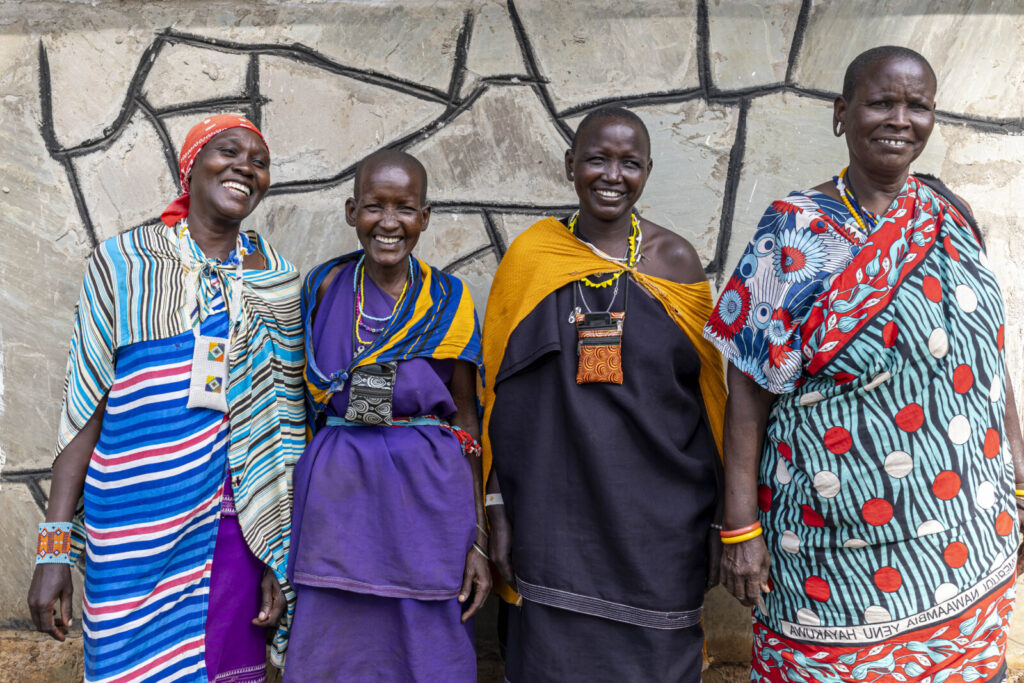
Leaving the comfort zone
From the moment you land in your destination country, everything begins to change. The language, the food, the schedules, the pace of life, the climate, the way people relate to one another… even the small day-to-day routines stop being automatic.
At first, it’s normal to feel out of place. What felt simple at home now requires attention and patience. But it is precisely at that moment when true learning begins. Adapting does not mean giving up who you are, but opening yourself up to new ways of living and understanding the world, leaving our prejudices aside and avoiding comparing our reality with others that exist and with which we coexist.
Adapting to a new culture
Every culture has its own codes, many of them unwritten. Gestures, silences, looks, ways of greeting or showing respect can be very different from our own. During a volunteering experience, learning to observe before acting is essential.
Listening to the local team, asking questions with humility, and accepting that we don’t always have the right answer is a sign of respect and maturity. When you adapt to the culture that welcomes you, you not only avoid misunderstandings, but also create real and genuine bonds with the community.

Flexibility in the day-to-day of volunteering
In volunteering, things don’t always go as planned. Resources may be lacking, plans may change from one day to the next, or the work pace may be different from what you imagined. Here, flexibility becomes a great ally. As does the willingness to be present, to collaborate, and to want to be part of positive impact.
Learning to adapt means understanding that each context has its own limitations and that impact is not always measured in immediate results. Sometimes, simply being present, listening, or accompanying is already a valuable way of contributing.
Managing emotions and expectations
Adaptation is not only external; it is also internal. During the experience, moments of frustration, exhaustion, or even culture shock may arise. Recognizing these emotions, accepting them, and learning to manage them is part of the process.
Many participants discover that adapting also means revisiting expectations: understanding that it is not about “saving” or changing complex realities in a short time, but about contributing from respect and mutual learning, and understanding that we are not indispensable and that our role is never to save, but always to learn and accompany.
A skill that stays with you forever
One of the great riches of learning to adapt during a volunteering experience is that this skill doesn’t stay behind on the trip. It comes back with you. It accompanies you in your personal and professional life and in the way you relate to others.
After living an experience like this, many people feel more patient, empathetic, and open to change. They have learned that adapting is not a weakness, but a strength that allows you to grow and truly connect.
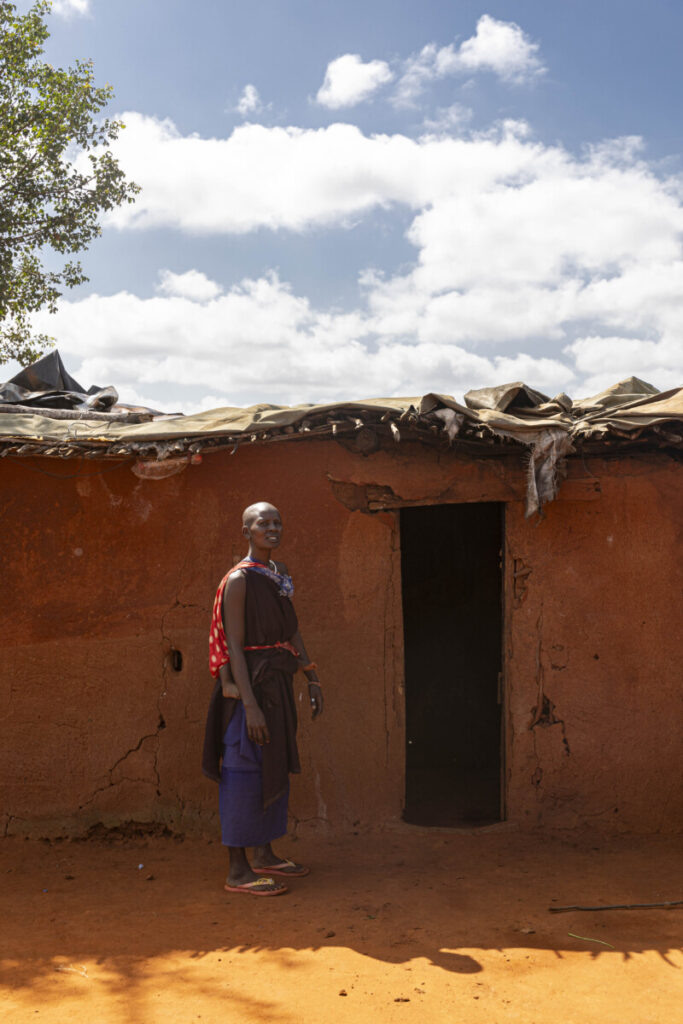
Adapting to grow
At Cooperating Volunteers, we believe that every volunteering experience is an exchange. You give, but you also receive. And one of the greatest lessons you take with you is learning to adapt to the unknown, to trust the process, and to allow yourself to be transformed by it.
Because when you learn to adapt, you discover that the world is much bigger than you imagined… and that you are capable of much more too.